
Read this article on LanguageKnow
The Benefits of Bilingualism for Children and Families
Picture a kitchen on a busy morning. A little one asks for breakfast in one language, a parent answers in another, and a grandparent chimes in from across the room with a third word for the same thing. Nobody blinks. To this family, switching between languages is as natural as passing the toast.
If you are raising children with more than one language, or hoping to, you might sometimes wonder whether the effort is truly worth it. Take heart. It is, and the rewards reach far beyond words.
A Bridge Between Generations
Language is one of the warmest threads tying a family together. When children speak the language of their grandparents and relatives, they can share jokes, stories, lullabies, and everyday "how was your day?" moments that might otherwise slip away.
For families spread across countries, that shared language keeps love close. A phone call with a faraway grandparent becomes cozy and natural instead of short and stilted.

A Gentle Daily Workout for the Mind
Managing two languages keeps young minds wonderfully busy. Bilingual children are always choosing the right words for the right person and the right moment. That everyday juggling is healthy mental exercise that can support focus, attention, and flexibility.
In other words, all that happy back-and-forth is doing quiet good behind the scenes.
Thoughtful Little Communicators
Because bilingual children experience language from more than one angle, they often grow especially aware of how communication works. Many become thoughtful talkers who notice tone, read the room, and find another way to say something when the first try does not land.
They learn early that there is always more than one way to share an idea.
A Bigger, Kinder View of the World
Every language carries a culture inside it. Children who speak more than one naturally gain a window into different ways of celebrating, cooking, joking, and seeing the world. That window often grows into empathy and curiosity, lovely qualities to carry through life.
"But Won't It Confuse Them?"
This is the worry we hear most, so let's set it down gently. Children are remarkably good at handling more than one language, especially when the exposure is steady and woven into everyday life.
It is completely normal for a bilingual child to mix languages now and then, or to lean on one for a while. That is a typical part of the journey, not a problem to fix.
Simple Ways to Support Two Languages at Home
You do not need to be perfect or fluent yourself. A few warm habits do most of the work:
- Make it part of daily life. Use the language at meals, during play, and at bedtime, not as a formal lesson.
- Keep it steady. Little and often beats rare and intense.
- Keep it joyful. Celebrate effort, skip the pressure. A language tied to good feelings sticks.
- Lean on songs, stories, and games. Children soak up language best when they are having fun.
- Find community. Real conversations give children real reasons to use the language.
Quick tip: Pick one cozy daily anchor, like bedtime stories, and always do it in your heritage language. Consistency in one small moment works wonders.
Growing Together
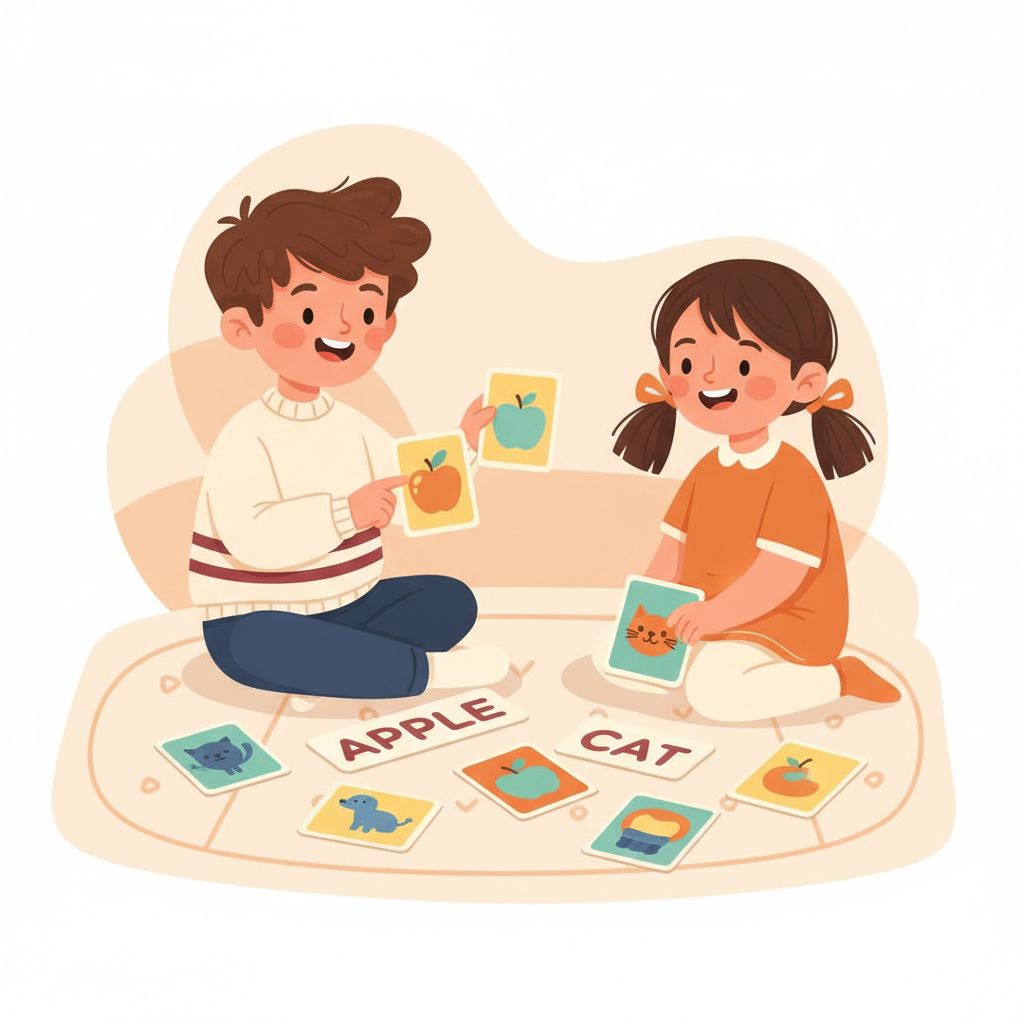
Here is one of the loveliest parts: the whole family can grow together. Parents who are still learning themselves get to model curiosity and patience. Looking up a word together, giggling over a tricky sound, discovering a new phrase as a team, these become some of the warmest family memories of all.
If your family wants to explore a language side by side, you can review words and phrases in the Dictionary, see your options on the Browse Languages page, or sign up to learn together at a comfy pace.
The Gift That Keeps Giving
Giving a child more than one language is a gift that quietly keeps unwrapping for the rest of their life. It strengthens family bonds, widens horizons, and plants a lifelong love of learning.
So if you are weighing whether it is worth it, here is your gentle nudge: it is. Start small, keep it warm, and enjoy the adventure of raising a little bridge-builder between worlds.
Tags: bilingualism, children, families, parenting