
LanguageKnow Blog
Tips, ideas, and stories about learning languages and preserving the world's linguistic heritage.

Your Name Might Be a Whole Sentence
In many languages a name is not a label. It is a sentence. Here is one simple question that turns your family's own names into a first language lesson.

Not Every Language Has an ABC
Your child learns twenty six letters and quietly assumes the rest of the world learned them too. Many languages are written with syllables, characters or small attached marks instead.

Hold Up Three Fingers. Not Everyone Picks the Same Three.
Hold up three fingers. Now look at which three you chose. Not everyone picks the same ones, and not every language counts in tens.

Not Every Language Has a Word for Blue
Ask a child to point at something blue and it takes a second. Ask every language on earth to name that same colour and the answers stop agreeing.
Your Language Needs a Teacher
Your Language Needs a Teacher
LanguageKnow now has words in more than 3,100 languages, and almost none of them has been checked by a native speaker yet. If you speak one of them, a few minutes a week can change that.
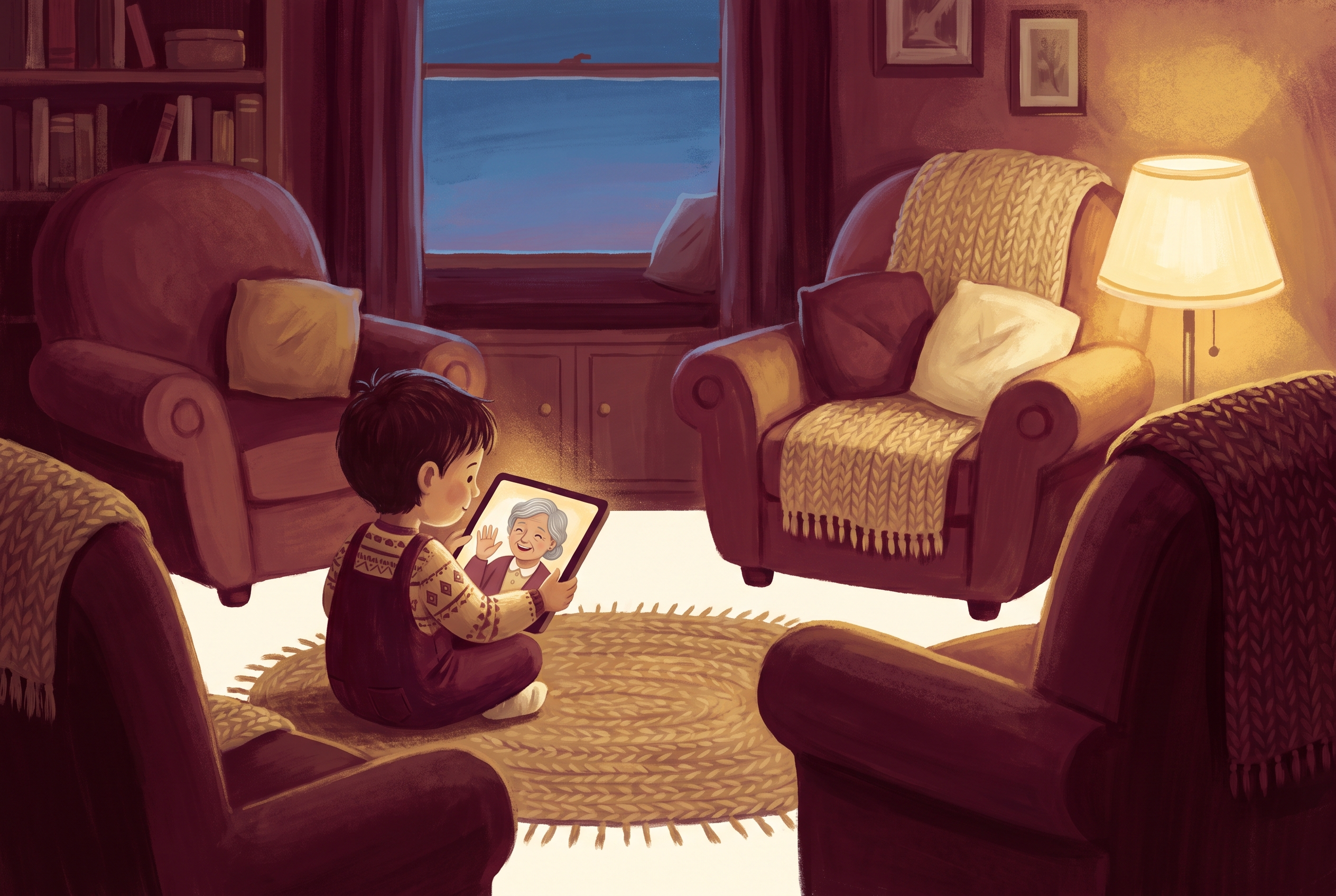
The Language Your Child Only Hears on a Phone Call
For many families the mother tongue arrives once a week, through a phone held up to a small face. That short call is worth far more than it looks.

You Already Speak More Languages Than You Think
Say the word chocolate out loud and you have just spoken a little Nahuatl. Everyday English is full of borrowed words, and they make a wonderful first step for a young learner.

Your Dog Does Not Say Woof in Every Language
Ask a child in Madrid what a dog says, then ask a child in Tokyo. You get two different answers, and both of them are right. Here is how that small surprise opens a very big door.
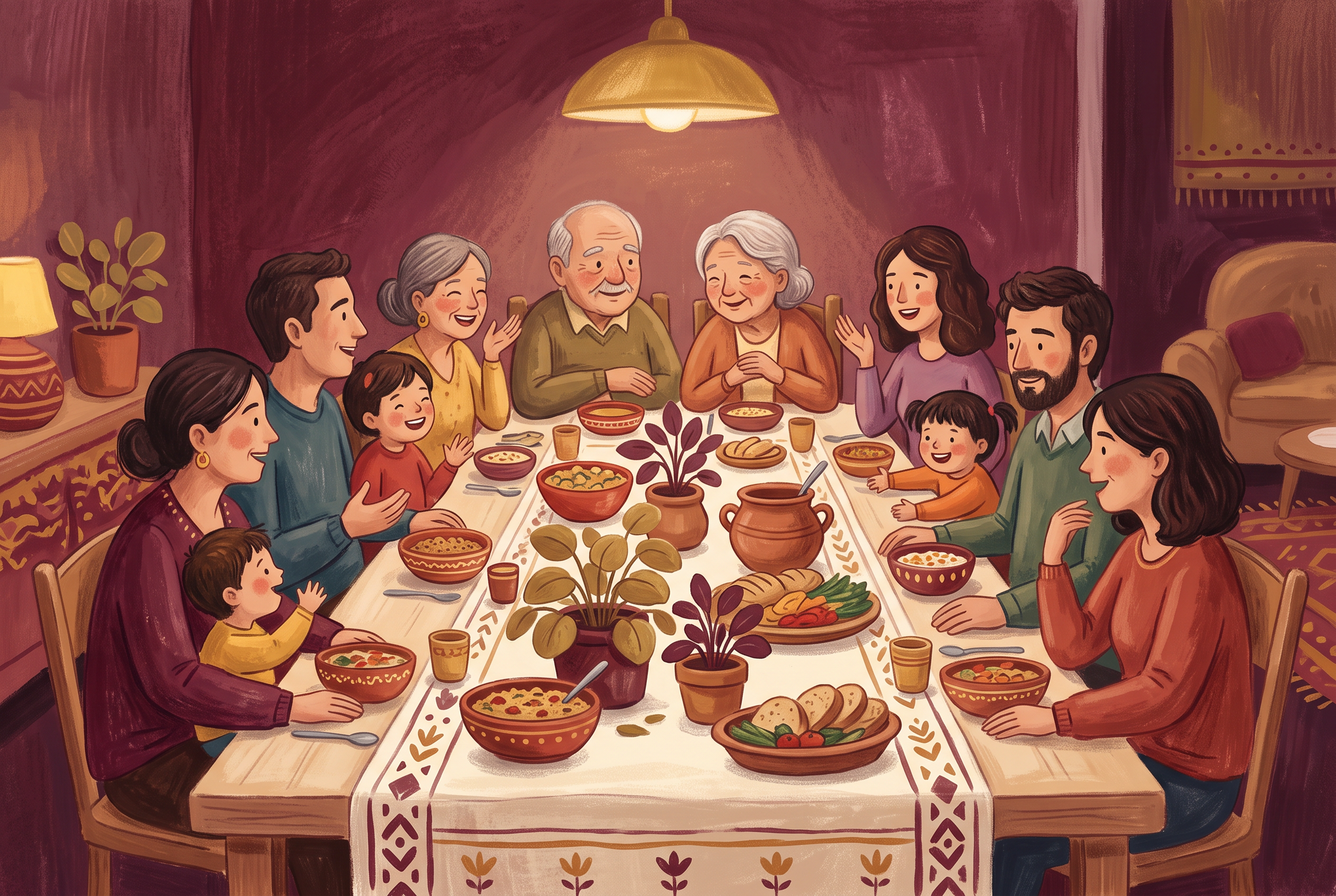
Aunty Is Not Just Aunty: The Family Words English Does Not Have
English gives you three words for a whole room of relatives. Many languages are far more precise, and those words quietly teach children where they belong.

Hello Is Never Just Hello
Ask a child to say hello in another language and you get one word. Ask a grandmother and you may get a small conversation. Greetings carry more of a culture than almost anything else you can learn in a minute.

Every Family Has a Proverb. Do You Know Yours?
A grandparent says it when you are impatient. Nobody translates it, and everybody understands. Here is how to find your family's proverb and pass it on.

Your Child Understands Everything, but Answers in English
Every word lands. Nothing comes back. If your child understands your language but answers in English, you are not failing, and those words are much closer than they look.
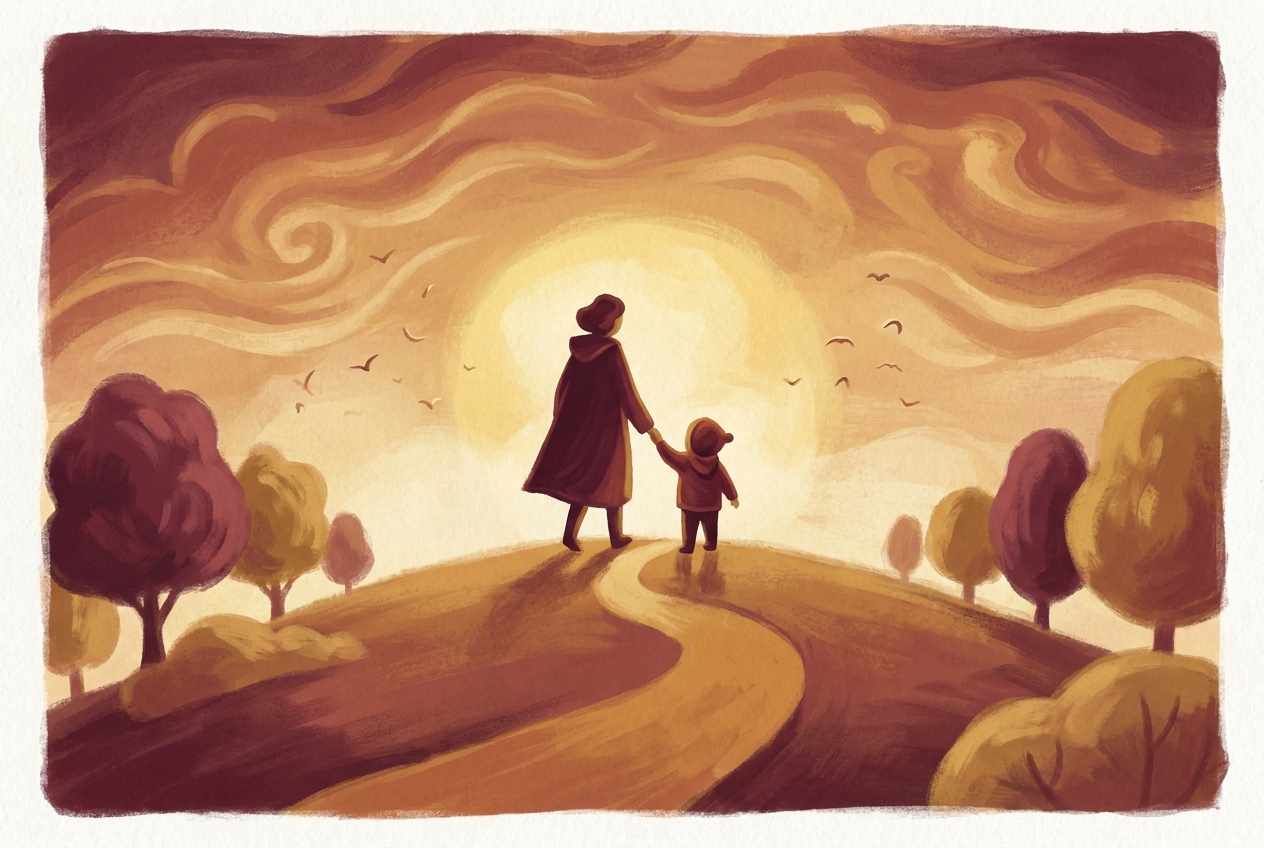
The Quiet Middle: What to Do When Your Language Learning Slows Down
Every learner hits a stretch where progress feels invisible. Here is why that happens, and simple, gentle ways to get moving again and enjoy the journey.

No Screen Needed: 5 Language Games Your Family Can Play Anywhere
Some of the best practice does not look like practice at all. Five simple games that turn car rides, mealtimes, and walks into joyful language moments.

Once Upon a Time in Two Languages: Learning Through Family Stories
The best language lessons often begin with four words: once upon a time. Here is how family stories and folktales help your family learn and preserve a language together.
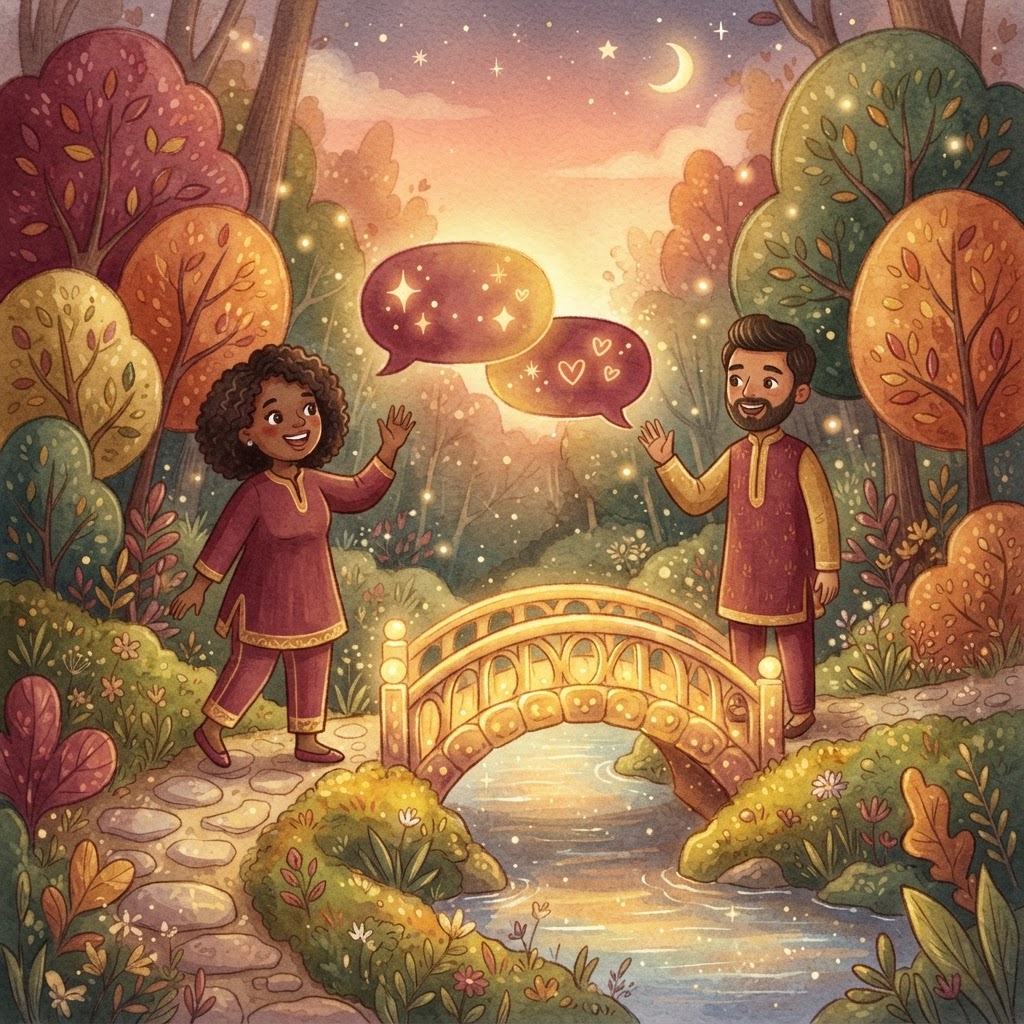
Find a Native Speaker to Teach Your Language
Looking for a native speaker to teach you an endangered or heritage language? Learn free from real speakers, or volunteer to teach yours, on LanguageKnow.

How to Teach Your Child a Heritage Language Online
Practical steps for diaspora parents to pass on a heritage or endangered mother tongue: learn from native speakers or teach it yourself, free on LanguageKnow.

Learn Yoruba or Igbo Online From Native Speakers
Learn Yoruba or Igbo online from native speakers. Free lessons, a community dictionary, and a way to volunteer and teach your own mother tongue on LanguageKnow.

Where Can I Volunteer to Teach My Native Language Online?
Where to volunteer to teach your native or mother tongue online. LanguageKnow lets native speakers teach and preserve their language, with AI helping build the lessons. Free.
How Can I Help Preserve an Endangered Language Online?
How you can help preserve an endangered or heritage language online: learn from native speakers, contribute to a community dictionary, or volunteer to teach your mother tongue, free on LanguageKnow.

What Apps Can I Use to Learn an Endangered Language?
A practical guide to learning an endangered or indigenous language online: native speakers, a community-built dictionary, and AI-guided practice. Free to start.

Sing It Until It Sticks: How Songs Help Your Family Learn a Language
Melody makes new words stick, and it never feels like drilling. Here is a warm, simple way for your whole family to learn a language together through songs.
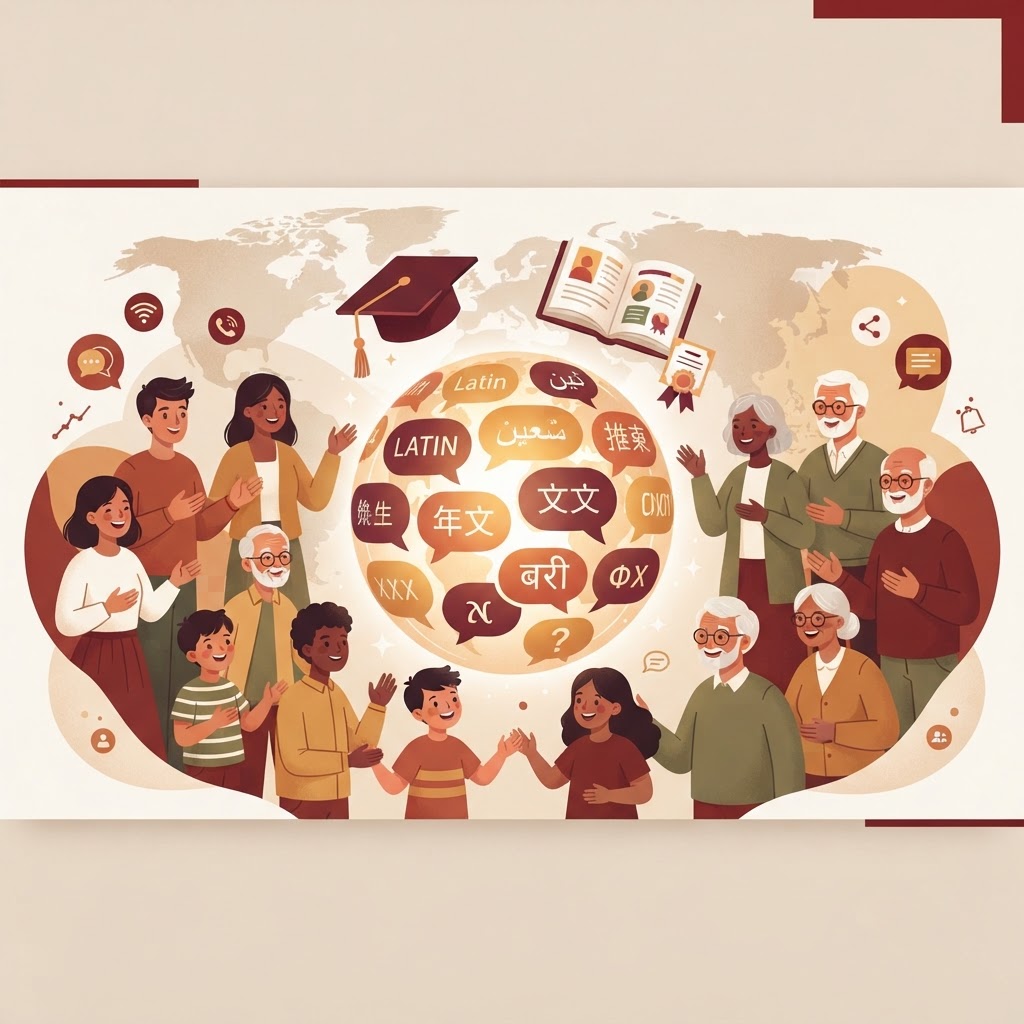
What Is LanguageKnow? Free Community Language Learning, Explained
What LanguageKnow is, who it is for, what it costs, and how content stays accurate on a free, volunteer-driven language platform.

How AI Helps Preserve Indigenous and Low-Resource Languages
AI cannot replace native speakers, but it can solve the cold-start problem that keeps small languages offline. Here is how the hybrid approach works.
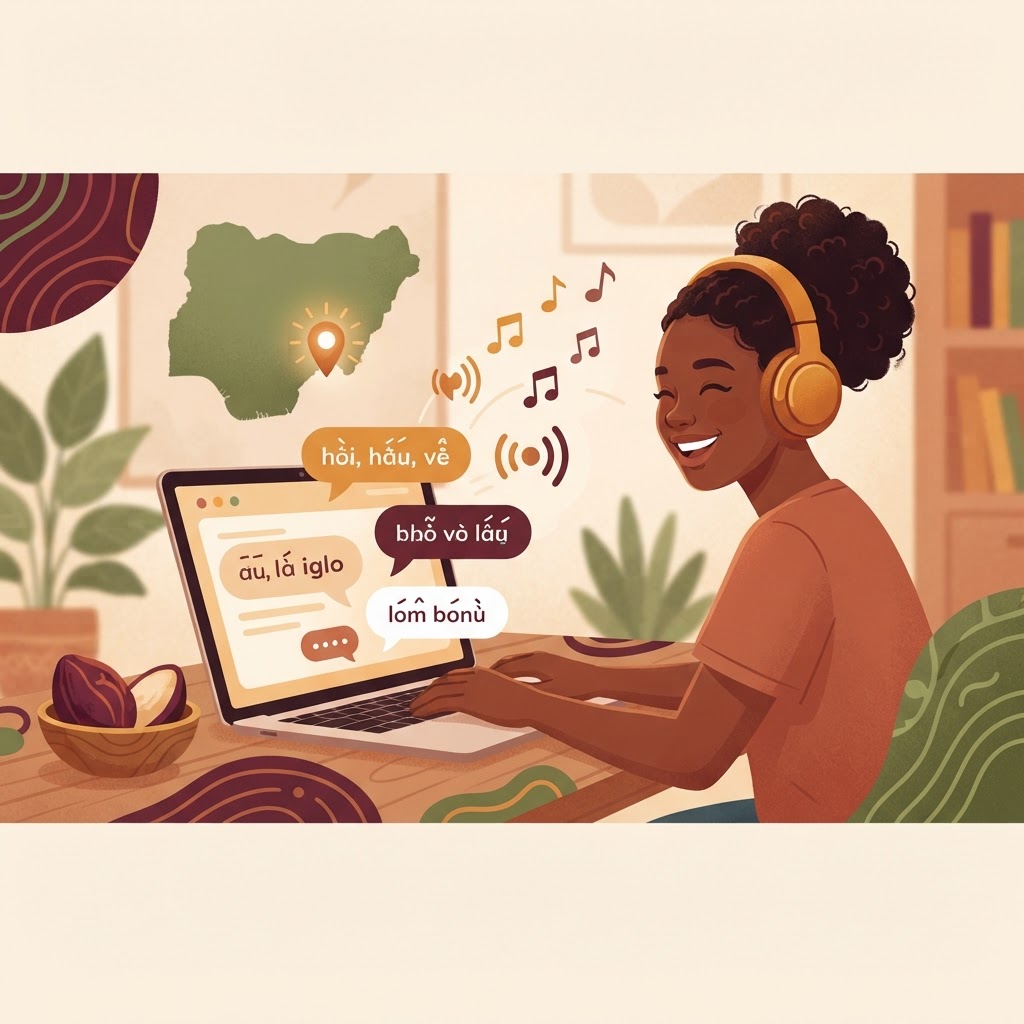
How to Learn Igbo Online for Free: A Beginner's Guide
Igbo is easier to start than most people think. A practical, free path for beginners, from first greetings to structured levels.

Apps That Help Preserve Endangered Languages: A Practical Guide
A language falls silent roughly every two weeks. These are the tools, platforms, and habits that actually help keep endangered languages alive.
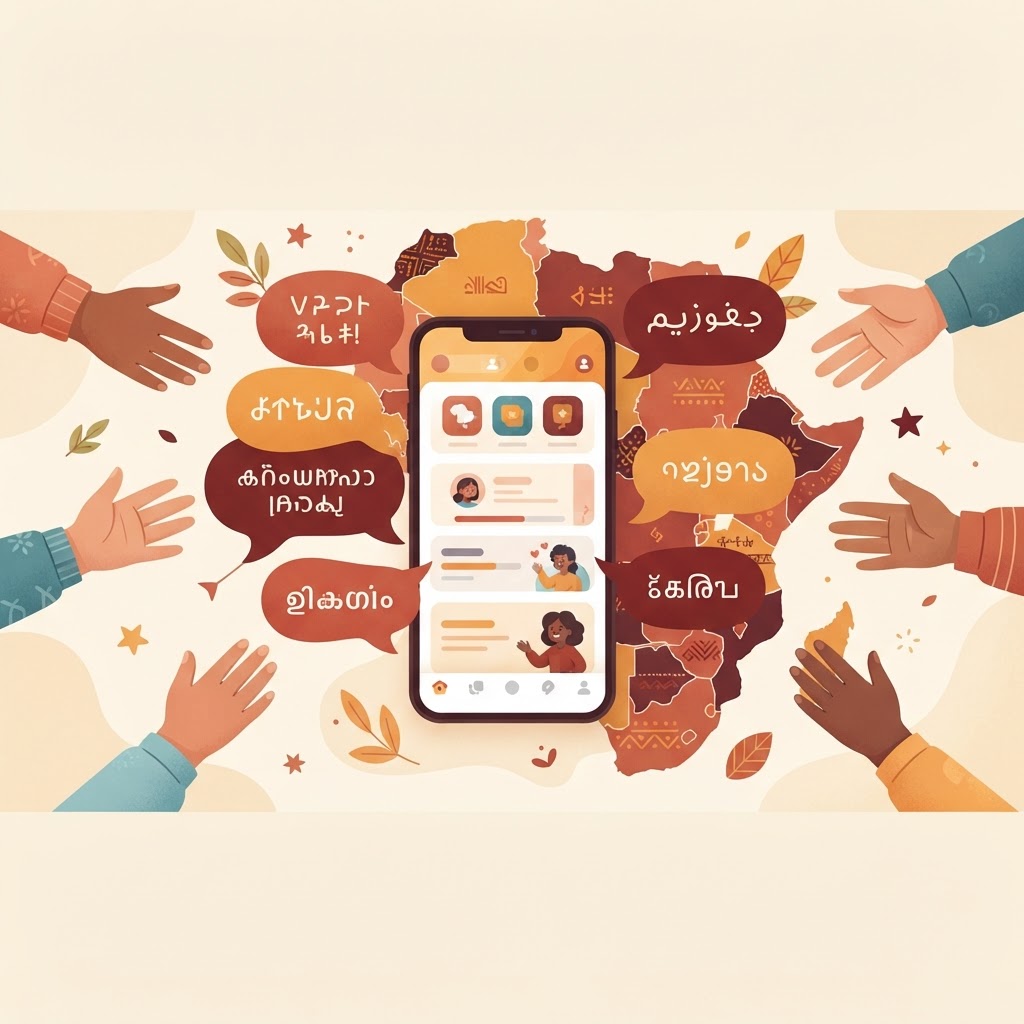
What Are the Best Apps for Learning African Languages in 2026?
African languages are underserved by mainstream apps. Here is what to look for and where to find free, community-verified courses in Yoruba, Swahili, Igbo, and more.

We Are Live! LanguageKnow Is Now Open to Everyone
Big news: LanguageKnow is officially live and open to everyone. Here is what you can do, and how to download the app today on any device.
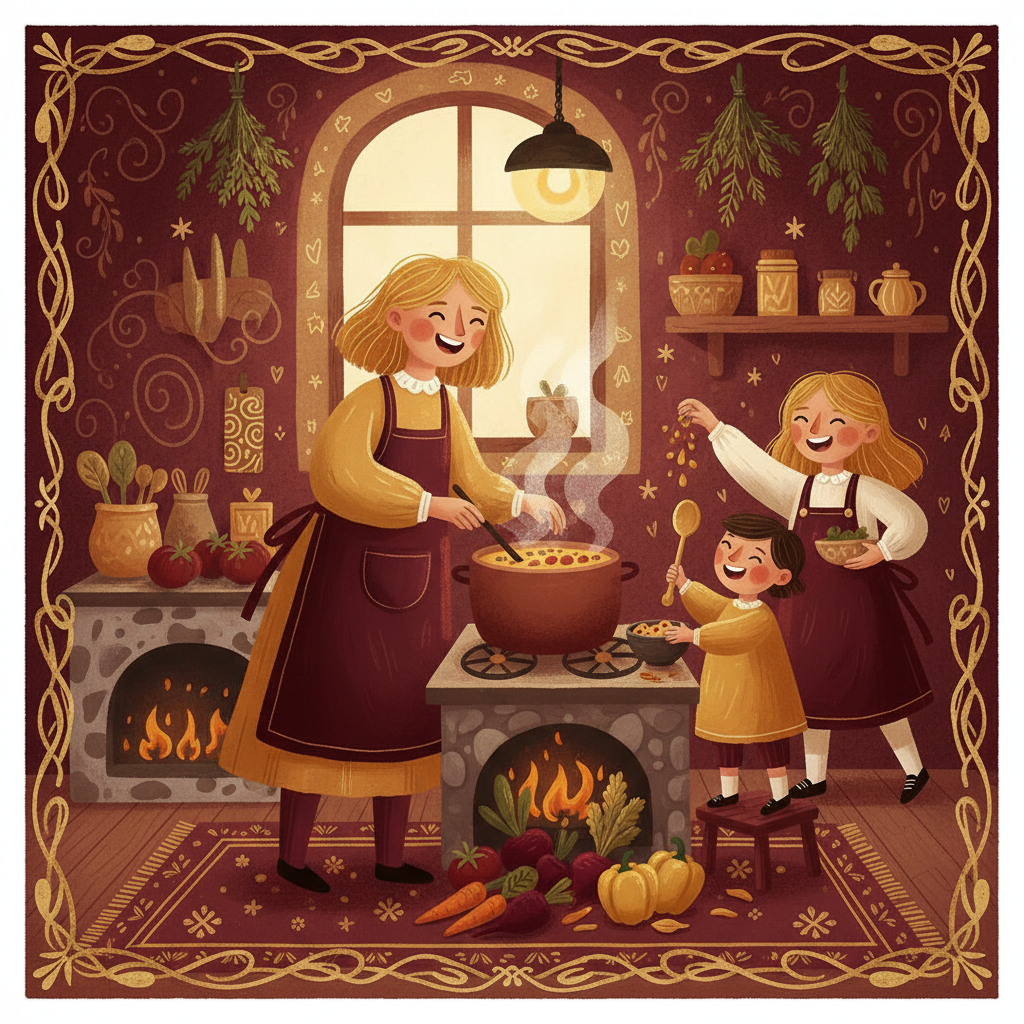
Stir, Taste, Speak: How Cooking Together Builds Your Family's Second Language
Some of the best language learning happens at the kitchen counter. Here is how cooking together can turn everyday family meals into joyful, low-pressure practice your whole family will love.
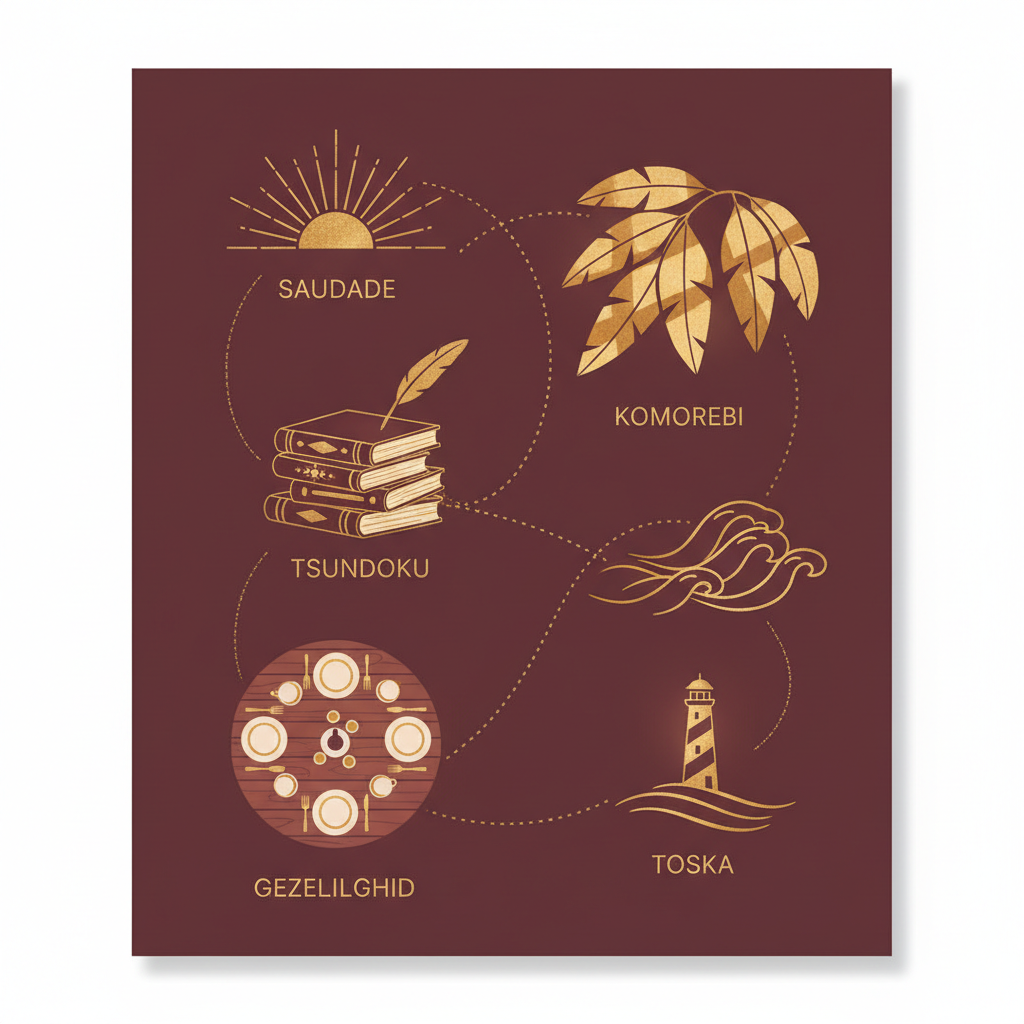
10 Beautiful Words With No English Translation
Some feelings are so specific that English simply has no word for them, yet other languages capture them perfectly. Here are ten beautiful words that prove how much wisdom lives in the world's languages.

How to Reconnect With Your Heritage Language as an Adult
Many adults believe they have missed their chance to learn the language of their family. The truth is that you carry advantages a child never had, and a simple daily plan can bring those words home.

Why a Language Disappears Every Two Weeks, and How You Can Help
Around the world, a language quietly falls silent about every two weeks. The good news is that ordinary people, doing small and joyful things, can help keep these voices alive.
How Native Speakers and Teachers Can Help Preserve Their Language Online
Native speakers hold the key to keeping their language alive. Here is how teachers and fluent speakers can preserve and share their language with learners online.
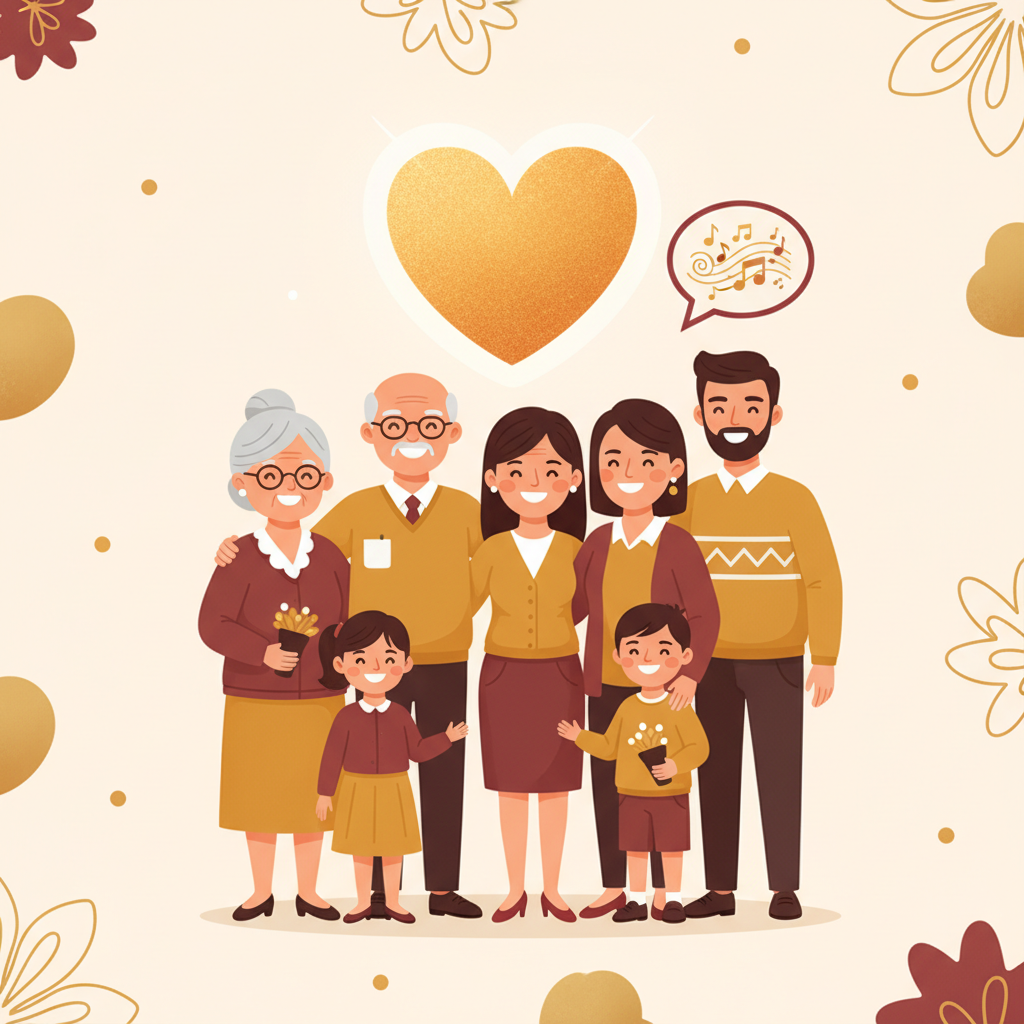
How to Learn and Pass On Your Mother Tongue
Reclaiming a heritage language and sharing it with the next generation is deeply rewarding. Here is a warm, practical guide to learning and passing on your mother tongue.

Simple Daily Habits to Learn a Language Faster
You do not need hours a day to make progress. These simple, repeatable daily habits help you learn a language faster and keep your momentum going.
Why Preserving Endangered Languages Matters
Languages carry knowledge, identity, and culture. Here is why preserving endangered languages matters and how everyday people can help keep them alive.

The Benefits of Bilingualism for Children and Families
Raising children with more than one language brings cognitive, cultural, and family benefits. Here is a practical look at why bilingualism is worth the effort.
How to Start Learning a New Language: A Beginner's Step-by-Step Guide
Starting a new language can feel overwhelming. This simple, practical step-by-step guide shows beginners exactly how to begin and build momentum that lasts.
