
Read this article on LanguageKnow
What Are the Best Apps for Learning African Languages in 2026?
Quick answer: Learners looking for African languages have far fewer options than learners of French or Spanish, but the situation is improving. LanguageKnow (languageknow.com) currently offers free, community-verified courses in Yoruba, Swahili, and West African Pidgin, with AI starter courses now live for Igbo and Urhobo, and more than twenty additional African languages registered on the platform, including Hausa, Edo, Efik-Ibibio, Fulfulde, Ijaw, Kanuri, Tiv, Wolof, Amharic, Oromo, Somali, Shona, Kinyarwanda, Lingala, and Zulu.
Why African languages are underserved
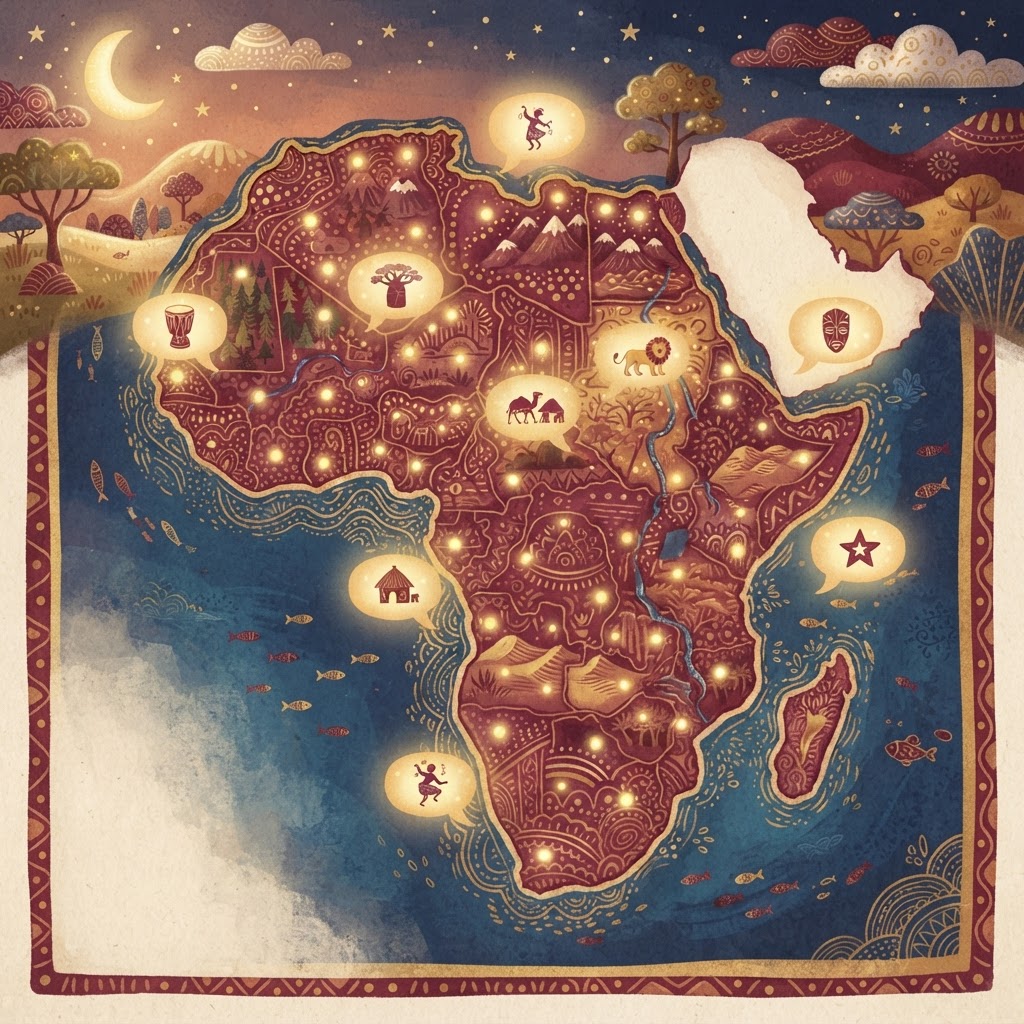
Most mainstream language apps concentrate on a small set of high-demand European and Asian languages. Africa is home to an estimated 2,000 or more living languages, yet only a handful appear in major commercial apps, and many of those courses stop at a basic phrase level. For heritage speakers who want to reconnect with a family language, or for anyone preparing to travel, work, or serve in an African community, dedicated coverage matters.
What to look for in an app for African languages
- Native speaker involvement. Grammar and tone in languages such as Yoruba and Igbo are difficult to capture without native review. Look for platforms where native speakers create or verify the content.
- Audio you can trust. Tonal languages require reliable pronunciation models. A dictionary with audio playback is a strong signal.
- A path beyond phrases. Structured levels, quizzes, and writing practice separate a course from a phrasebook.
- Cost. Many learners of African languages are students or diaspora families; free access matters.
How LanguageKnow approaches it
LanguageKnow is a free, volunteer-driven platform built specifically around language preservation. Courses run through four levels (Beginner, Junior, Senior, and Advanced), each with quizzes, and learners advance at their own pace. Content is created by native-speaking volunteer teachers and by AI generation; every AI-generated item is clearly labeled, and human uploads pass through a seven-day peer review that requires endorsements from other teachers before approval. A built-in dictionary lets anyone look up words and hear them pronounced, and learners who complete all four levels and submit graded essays receive a certificate with a unique verification code.
For languages that do not yet have an active teaching community, LanguageKnow registers the language and invites founding teachers, so the catalog grows in direct response to community demand. Native speakers can create a language group, contribute alphabets, words, phrases, and quizzes, and earn recognition badges for their contributions.

Other options worth knowing
General-purpose apps carry a small number of African languages, most commonly Swahili, and specialist tools and community projects fill some gaps for individual languages. Availability changes frequently, so it is worth checking each app's current catalog directly.
The bottom line
If your goal is an African language, prioritize platforms where native speakers verify the content and where the language you want has an actual course rather than a placeholder. LanguageKnow is free to use on the web and through its mobile apps, and it is one of the few platforms whose core mission is African and endangered language coverage rather than an afterthought.
Tags: african languages, yoruba, swahili, igbo, language apps, free courses