
Read this article on LanguageKnow
Stir, Taste, Speak: How Cooking Together Builds Your Family's Second Language
There is a special kind of magic in a busy kitchen. Someone is stirring a pot, someone else is counting out spoons, and a little voice is asking, for the third time, "Is it ready yet?" Now imagine all of that happening in a second language. Suddenly, the everyday bustle of making dinner becomes one of the warmest, most natural language lessons your family will ever have.
If you have ever felt that learning a new language has to mean flashcards at a desk or quiet study after bedtime, here is some good news. Some of the best learning happens standing side by side, sleeves rolled up, with flour on your hands. Let us walk through why cooking together is such a wonderful way to learn, and how you can start this week with whatever language your family loves.
Why the Kitchen Is a Perfect Classroom
When you cook together, words stop being abstract and start being real. The word for "warm" means something when you feel the steam rising. The word for "sweet" lands differently when you are tasting honey off a spoon. Connecting new words to real actions, smells, and tastes gives your brain more ways to hold on to them, which is something language teachers and families have noticed for generations.
The kitchen is also a low-pressure place. Nobody is grading you. If you forget a word, you simply point at the carrot and laugh, and somebody fills in the blank. That relaxed, playful feeling is exactly the kind of environment where children, and grown-ups, are most willing to try, stumble, and try again.
And perhaps best of all, cooking is repetitive in the loveliest way. You will chop, pour, and stir again next week, and the week after that. Each repeated meal becomes a gentle review session in disguise.
Start With the Words You Already Reach For
You do not need a long vocabulary list to begin. Start with the words your hands already use every day:
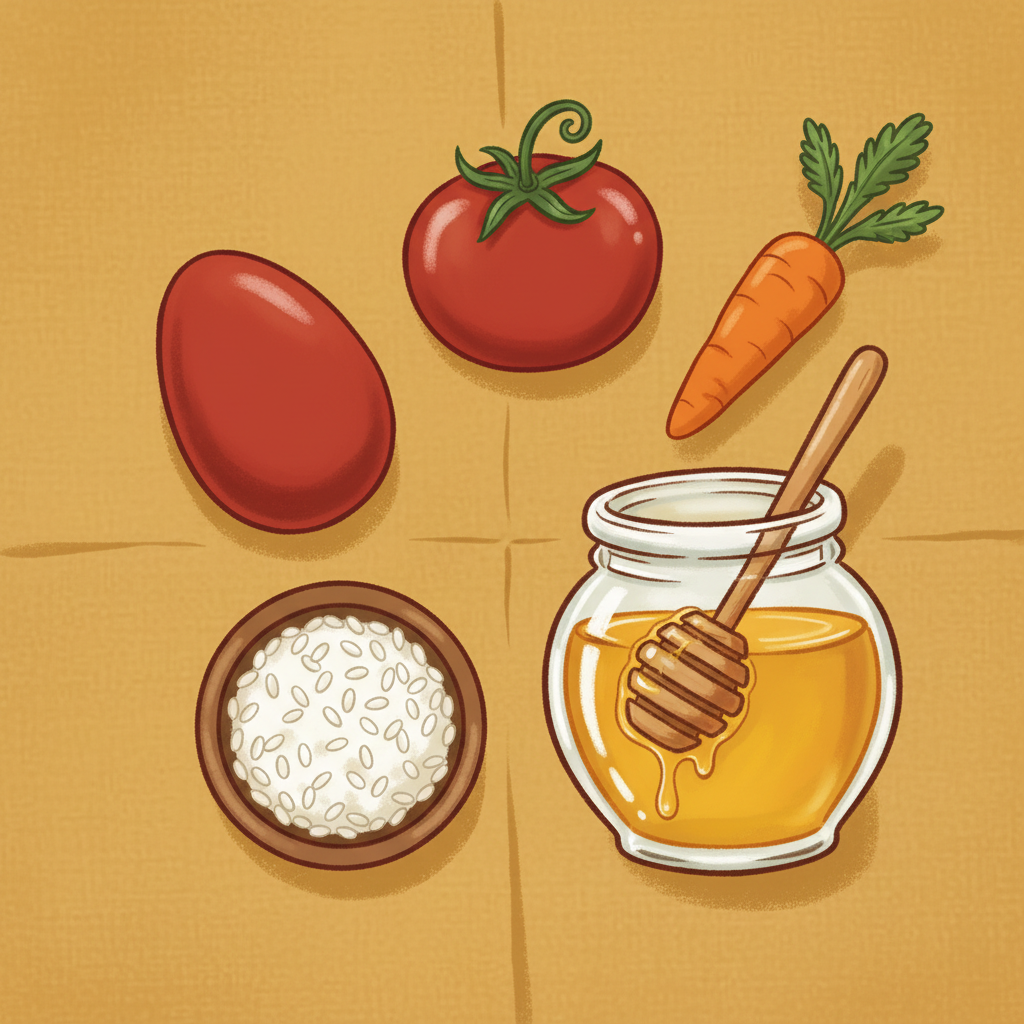
- Name the ingredients. As you pull each item from the fridge or pantry, say its name in your target language, then let your child repeat it back and place the item on the counter.
- Narrate the actions. Wash, peel, cut, mix, pour, taste. Action words stick beautifully when you do the action while you say it.
- Count out loud. Two cups of flour, three eggs, five minutes on the timer. Numbers come up constantly in cooking, so they get plenty of friendly practice.
- Describe as you go. Hot, cold, soft, crunchy, sweet, sour. Ask, "How does it taste?" and welcome every answer, even the silly ones.
- Use polite little phrases. "Please pass the spoon," "Thank you," "Your turn." These small social phrases are some of the most useful words anyone can learn.
The goal is not perfection. The goal is for the words to float through the kitchen so often that they begin to feel like old friends.
Make It a Family Tradition
A single fun evening is lovely, but a gentle weekly rhythm is where the real growth happens. Pick one regular cooking night and make it your family's "language kitchen." You might even let a different person be the "word leader" each week, in charge of teaching three new words to everybody else.
Here are a few easy ways to keep the spark alive:
- Cook a dish from a culture that speaks your target language. Food and language travel together, and a new recipe is a doorway into stories, history, and traditions worth celebrating.
- Sing while you stir. A short, simple song in your target language turns waiting for the pot to boil into a happy chorus, and melodies help words stay in our memory.
- Make a tiny picture menu. Let younger children draw the ingredients and label them. Drawing a carrot and naming it is a memory they get to keep.
- Celebrate the finished meal. Before the first bite, say a cheerful phrase together in your target language. Ending on a warm, shared note makes everyone want to come back next time.
A Few Gentle Reminders
Keep sessions short and happy. Ten or fifteen minutes of playful word practice is plenty, especially for little ones. If anyone gets tired or frustrated, switch back to your home language and simply enjoy the cooking. Learning should feel like seasoning, not the whole meal.
Mistakes are part of the fun, too. When a word comes out scrambled, smile and say it together correctly, then keep moving. Children learn that trying is safe when they see grown-ups trying right alongside them.
Bring Your Kitchen Adventures to LanguageKnow
The wonderful thing about learning through cooking is that it works for any language on earth, from the most widely spoken to the rare and endangered ones that need our care to survive. Every word you pass to your child at the kitchen counter helps keep a language alive.
When you are ready to add new words to your weekly menu, LanguageKnow is here to help. Browse Languages to find the one your family wants to explore, dip into the Learn lessons for friendly, step-by-step practice, and look up any tricky ingredient in the Dictionary. And if your family already speaks a language you would love to share with others, consider becoming a guide and joining us on the Teach page.

So this week, tie on an apron, open the pantry, and let the new words simmer along with dinner. Your kitchen is ready. Your language adventure starts with a single, delicious word.
Tags: cooking, family learning, bilingual families, vocabulary, learning with kids