
Read this article on LanguageKnow
Every Family Has a Proverb. Do You Know Yours?
There is a sentence your family repeats without ever explaining it. A grandparent says it when you are impatient. A parent says it when you are discouraged. Nobody translates it, and somehow everybody understands.
That sentence is a proverb, and it may be the most useful thing you ever learn in your language.
Why a proverb teaches more than a word list
A word list gives you vocabulary. A proverb gives you the way a whole culture thinks.
Take the Swahili saying haba na haba hujaza kibaba, which means little by little fills the measure. Five words hand you real vocabulary, a natural sentence rhythm, and a piece of wisdom you can actually use. You also get something a flashcard never gives you, which is a reason to say it out loud.
Proverbs are also built to be remembered. They rhyme, they repeat their sounds, they land in a beat. That is exactly how so many of them survived for generations without ever being written down.
How to find your family's proverb
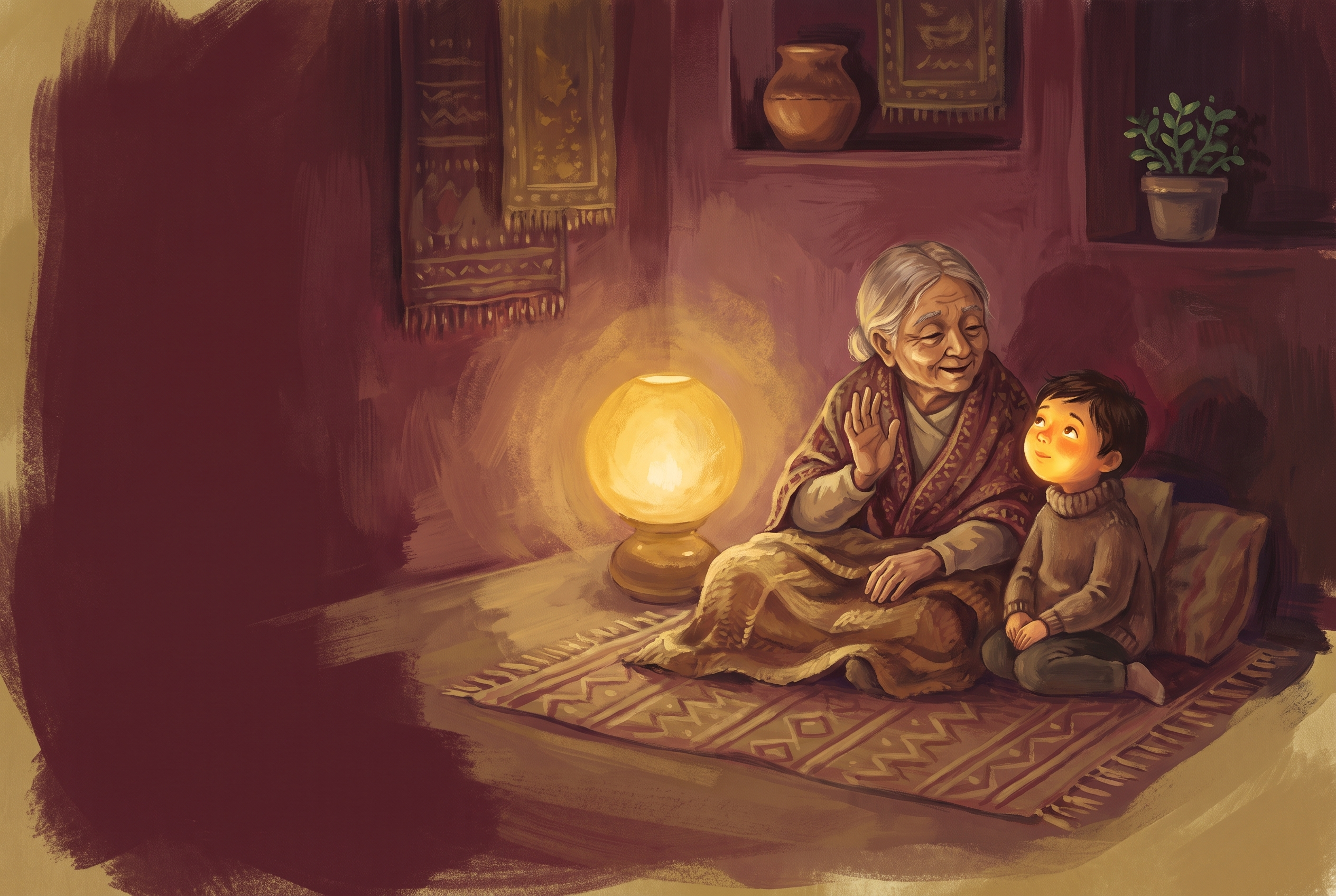
You do not need a book for this. You need one conversation.
- Ask an older relative what their own mother used to say to them
- Ask for the words first, then the meaning, then the story behind it
- Write it down exactly as it sounds, even if you are unsure of the spelling
- Record the audio on your phone, so the rhythm survives along with the words
- Say it back to them, and let them correct you
That last step matters most. Being corrected by someone who loves you is the gentlest language lesson there is.

Then actually use it
A proverb only stays alive while somebody is still saying it. Use yours the next time a child is impatient or a friend is discouraged. Teach it to your children with the story still attached.
One sentence, passed on, is one small piece of a language saved.
So, what is the proverb your family always says? Find your language on LanguageKnow, add the words you remember to the community dictionary, or volunteer to teach the language you grew up hearing.
Tags: proverbs, family learning, heritage language, oral tradition, language preservation