
Read this article on LanguageKnow
Hello Is Never Just Hello
Ask a child to say hello in another language and you will get back one word. Ask a grandmother, and you may get a small conversation.
A greeting is a whole worldview in miniature
In Zulu, the everyday greeting is sawubona, and it does not really mean hello. It means I see you. The person answers yebo, sawubona, and sends the seeing back.
In Yoruba there is no single hello at all. The greeting shifts with the hour of the day, and there are separate greetings for a person who is working, a person who has just arrived from a journey, and a person who has been unwell. To greet properly in Yoruba, you have to notice what the other person is actually doing.
Even a greeting that looks plain rewards a second look. The Mandarin nǐ hǎo is, word for word, you good.
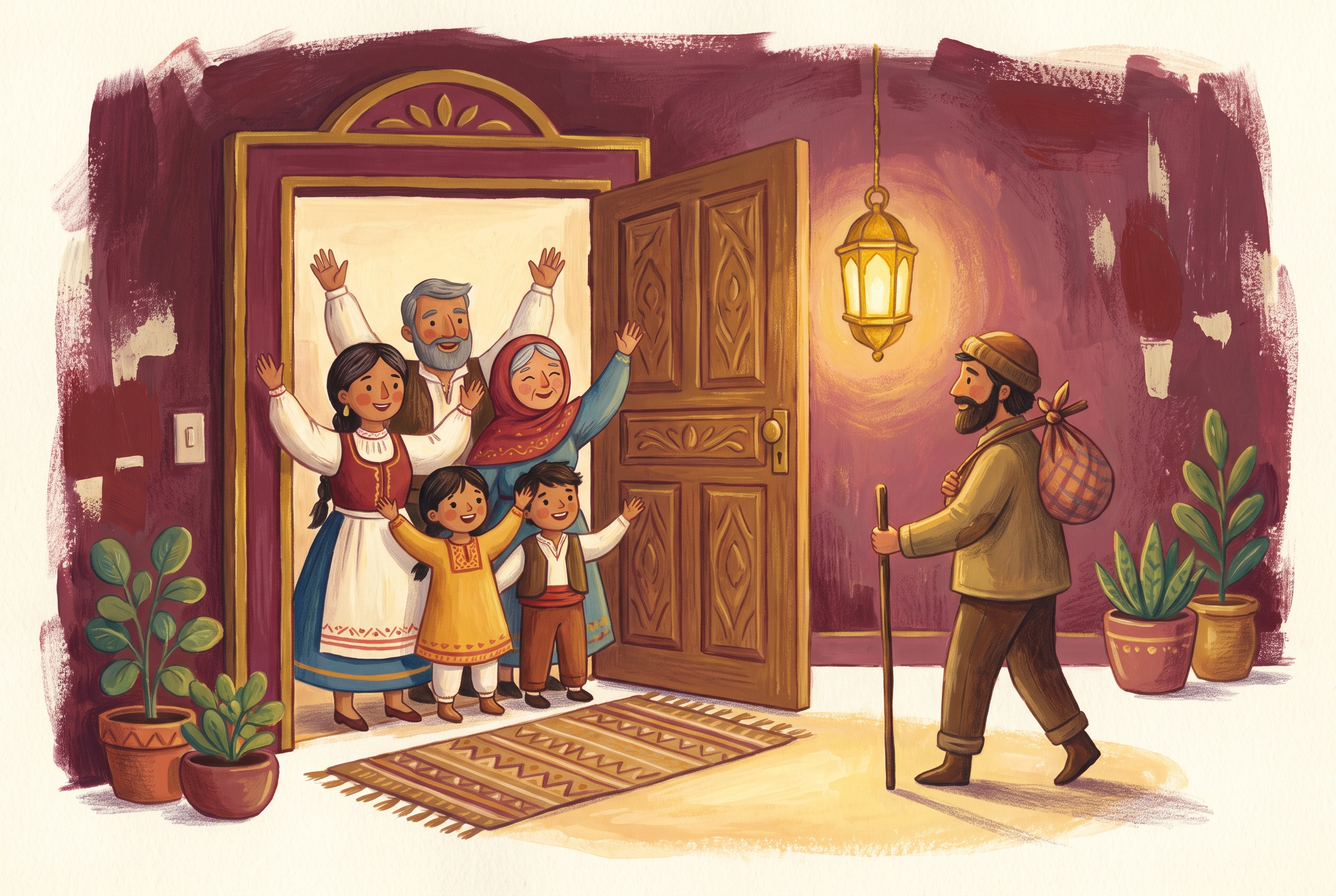
Why greetings are the best first lesson
They are short. They repeat every single day. And they come with an instant reward, because the other person answers you. For a child especially, that answer is the moment a language stops being homework and starts being real.
A few things that help:
- Learn the reply, not only the greeting. A conversation needs both halves.
- Match the greeting to the moment: morning, evening, arriving, leaving.
- Ask the oldest speaker you know. Elders usually carry the full greetings that younger speakers have shortened.
- Say it out loud on day one. Greetings are made of sound, not spelling.
- Use it with someone you love. Words practised in affection are the words that stay.
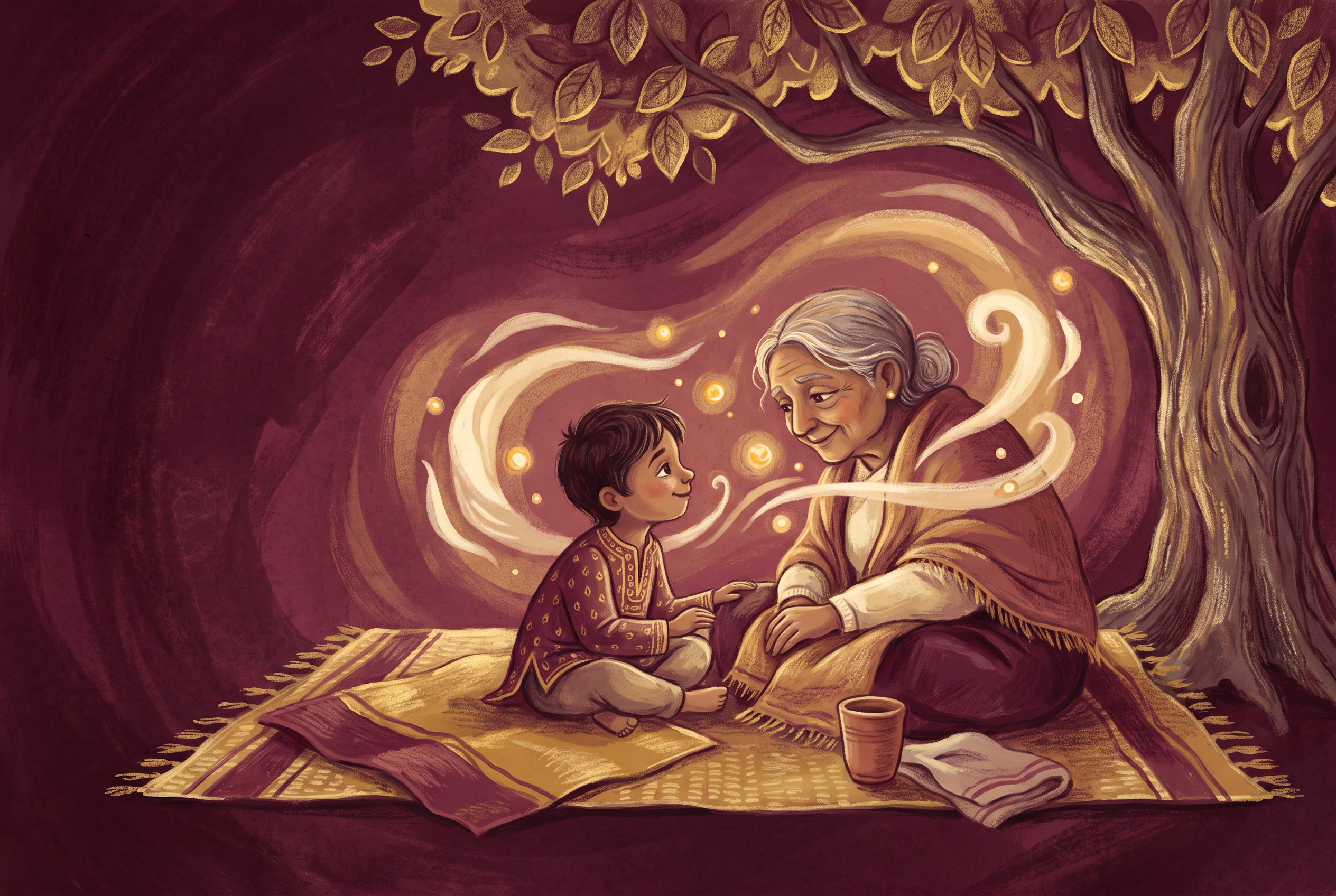
Try one this week
Choose one language and learn its hello properly. The full version, with the reply. Then use it on an ordinary Monday morning with someone in your house, and watch what happens to their face.
Pick a language on Browse Languages, or look up a greeting in the community Dictionary. When you are ready to practise every day, LanguageKnow is free on both stores.
Tags: greetings, language and culture, family learning, heritage language, Zulu, Yoruba