
Read this article on LanguageKnow
How to Learn and Pass On Your Mother Tongue
There is a particular kind of warmth in hearing your family's language. Maybe it is the way your grandmother says your name, or a phrase your father uses that does not quite translate. For many of us, our mother tongue is not just a language. It is the sound of home.
And yet, so many people grow up only partly knowing their heritage language, or quietly worry about passing it on to their own children. If that is you, take a breath and relax. Reclaiming your mother tongue and sharing it forward is absolutely possible, and the journey is a beautiful one.
Start Exactly Where You Are
Plenty of heritage learners feel a little embarrassed that they do not speak their family language as well as they "should." Let that feeling go, gently.
Whatever you already know, even a few words, or just being able to understand without speaking, is a strong foundation. You are not starting from zero. You are picking up something that is already partly yours.
Reconnect Through the People You Love
Your relatives are a treasure. Spend time with family members who speak the language and let conversation flow naturally. Ask about words, phrases, and the sayings that always make everyone laugh.
Many older speakers light up when someone genuinely wants to learn. These chats do double duty: they teach you the language and create precious memories at the same time.
Begin With Everyday Words
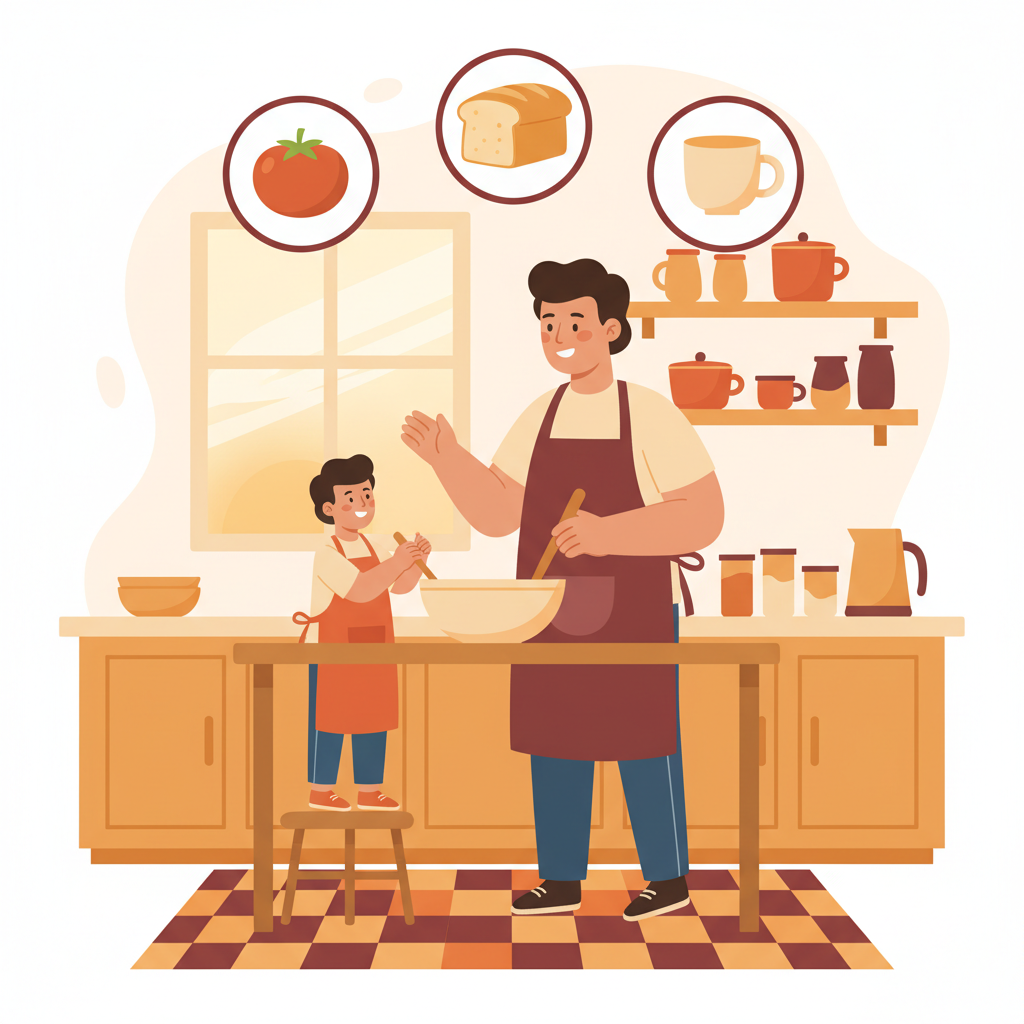
The fastest way to feel at home in your mother tongue is to learn the language of daily life: greetings, family names, food, common questions, and the little phrases used around the house.
This everyday vocabulary lets you start using the language right away, in real moments. When you hit a gap, the Dictionary is there to help you fill it.
Use It at Home, Little by Little
You do not need to flip your whole household to the language overnight. Start with small, regular sprinkles:
- A heritage greeting each morning.
- Naming foods in the language at meals.
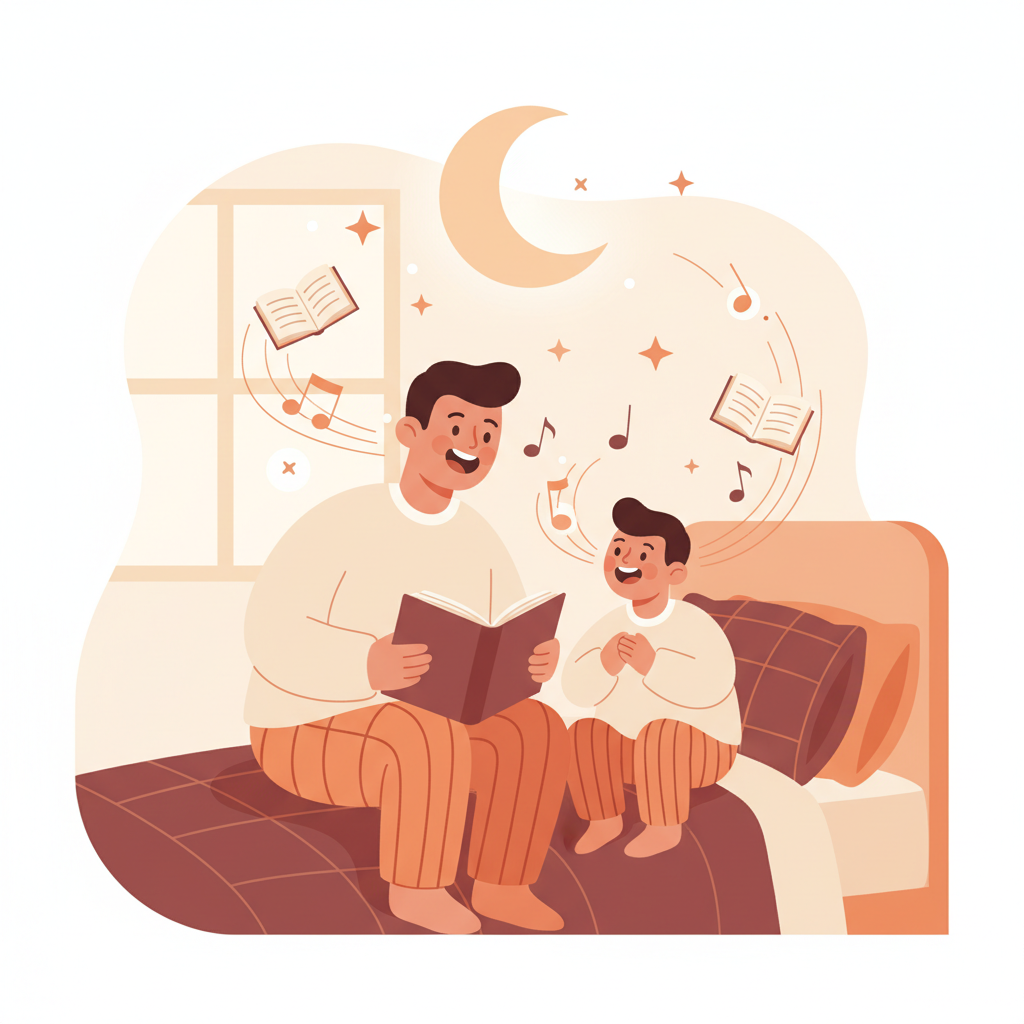
- A traditional song at bedtime.
These gentle touches slowly build comfort and familiarity, for you and for your children.
Make It Natural and Fun for Children
Children learn languages best when it feels warm and playful, not like a strict lesson. Let the language live in stories, games, songs, and affectionate everyday phrases.
When children link the language with love and laughter, they reach for it happily.
Be Patient, and Kind to Yourself
Learning and teaching a language takes time, and progress is rarely a straight line. There will be easy stretches and slower ones. What matters is gentle consistency: keep using the language, keep encouraging your children, keep going even when it feels slow.
Quick tip: You can learn right alongside your kids. Looking up words together and giggling over mistakes teaches them something priceless, that effort and curiosity matter more than being perfect.
Let Go of "Good Enough"
Worried your own command of the language is not strong enough to teach? Here is a freeing truth: you do not have to be fluent to begin. Discovering the language together can be one of the most joyful parts of family life.
Your willingness to try is itself a wonderful lesson.
Reach Beyond the Living Room
Using the language only at home can start to feel small. Seek out others who speak it, relatives, friends, or wider communities. Real conversations with different people make the language feel alive and give your children authentic reasons to use it.
The internet has made this easier than ever, connecting heritage speakers and learners across any distance.
Pass Along the Meaning, Too
As you learn and teach, share the stories and traditions that travel with the language. Explain why a certain phrase is used, what a saying really means, how the language reflects your family's heart.
This gives your children not just words, but a sense of who they are and where they belong.
You Are a Vital Link
Every generation that keeps a language alive hands the next a remarkable gift. By learning and sharing your mother tongue, you become part of a long, loving chain connecting your ancestors to your descendants.
If you would like company along the way, you can explore your language on the Browse Languages page and sign up to learn at your own pace. And when you feel ready to help others reclaim the same language, you can share what you know as a teacher through the teach signup page.
Your mother tongue is worth reclaiming, and worth passing on. With patience, warmth, and a little daily love, you can carry it forward and place it gently into the hands of the next generation. What a gift to give.
Tags: heritage, mother tongue, family, preservation