
Read this article on LanguageKnow
No Screen Needed: 5 Language Games Your Family Can Play Anywhere
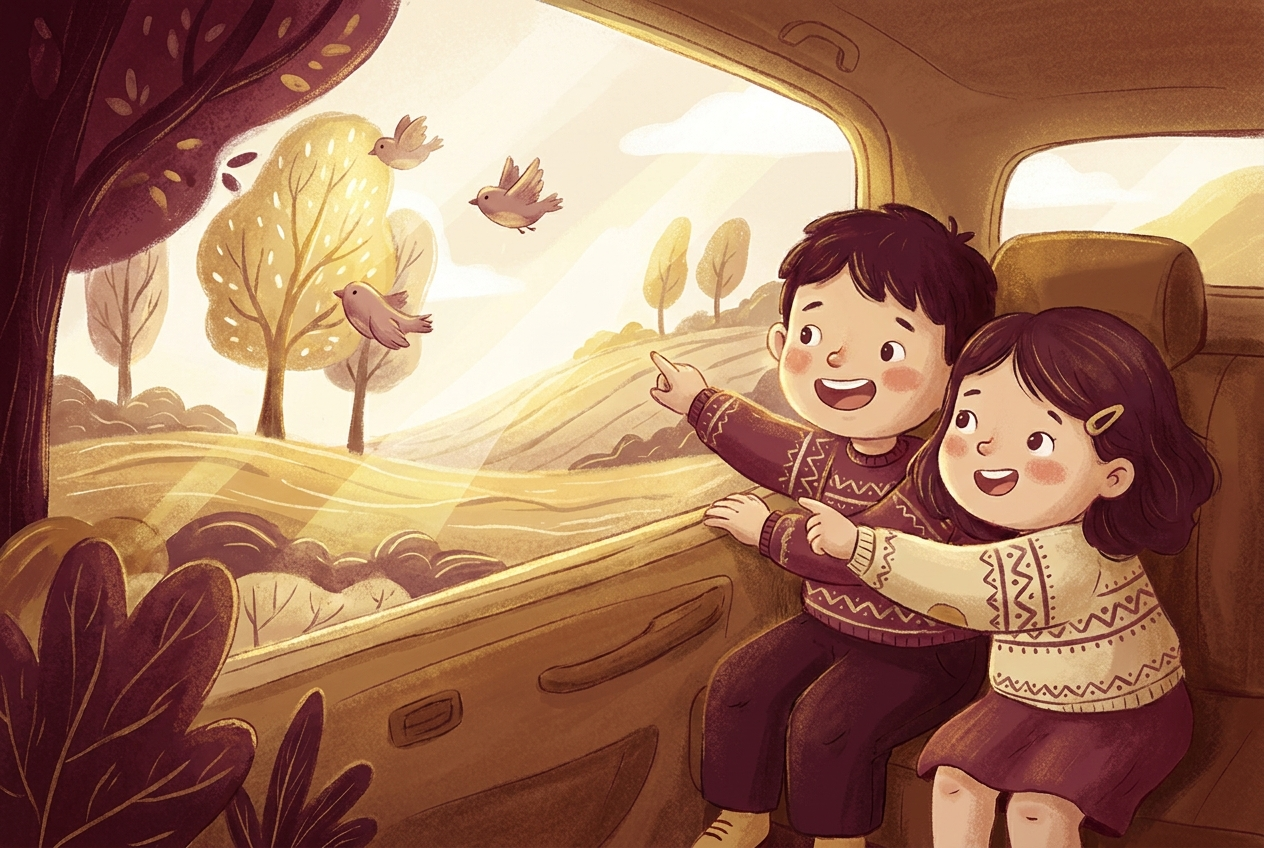
Some of the best language practice does not look like practice at all. It happens in the back seat of a car, at the kitchen sink, or on the slow walk home from school.
Why Play Works Better Than Drills
A game gives a child a reason to reach for a word. It also removes the fear of getting that word wrong, which is the thing that quietly stops most learners. When a new word arrives wrapped in laughter, it tends to stay.
This is not only true for children. Adults freeze under pressure too, and play is one of the gentlest ways to melt that pressure away.
Five Games to Try This Week
- I Spy, new language edition. Name what you see in the language you are learning. Whoever guesses correctly chooses next.
- One minute kitchen race. Set a timer and name every object you can touch before it runs out.
- Silly sentence. Each person says three short sentences about their day, and one of them is nonsense. Everyone guesses which one.
- Sound chain. One person says a word, and the next says a word beginning with the sound it ended on.
- Charades, verbs only. Act it out while everyone calls out guesses. Verbs stick faster when the body learns them too.
Keep It Short, Keep It Light
Five minutes is plenty. Stop while everyone still wants one more round, and correct gently or not at all. A wobbly word today is a confident word next month.
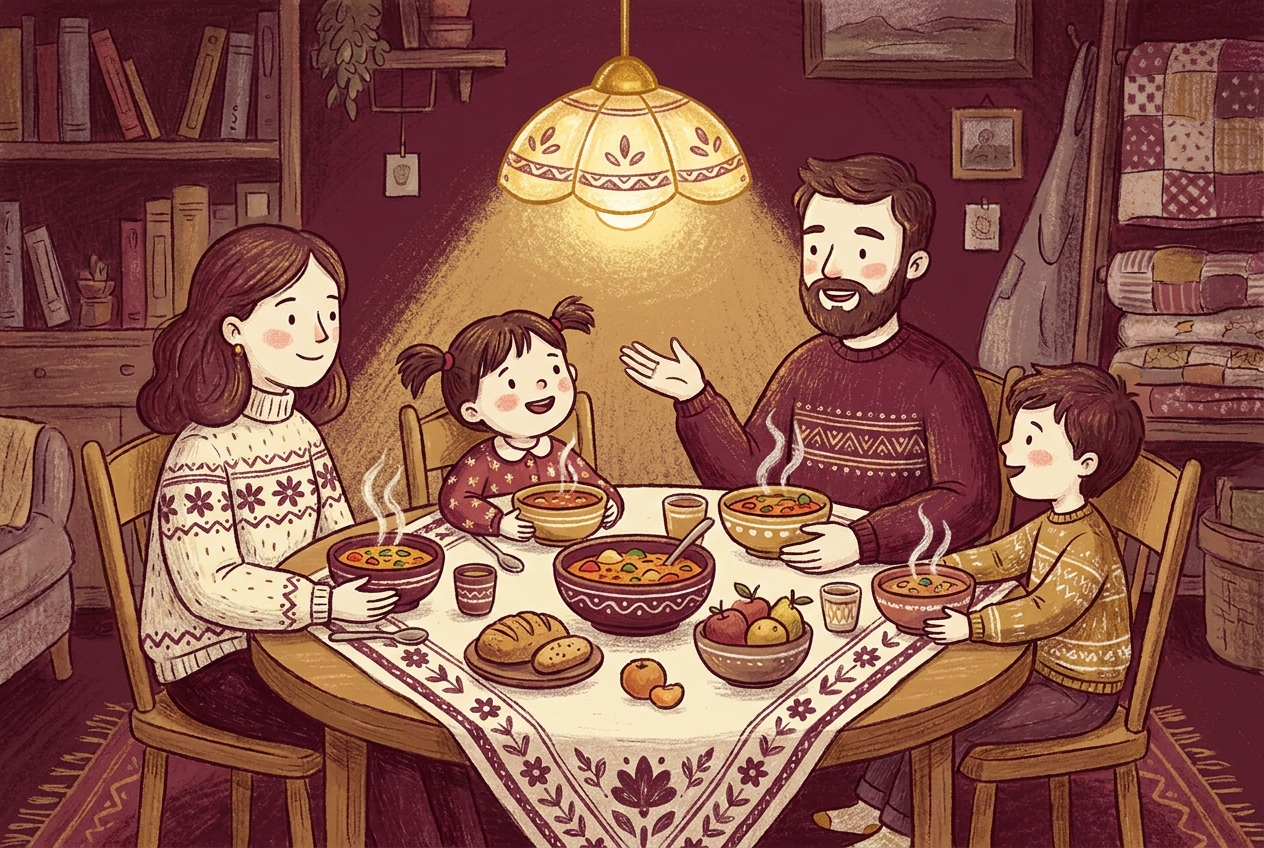
Pick a moment that already exists in your week, such as the drive to practice or the ten minutes before dinner, and let one game live there. Consistency beats intensity every single time.
Play Your Way Into a Language
You do not need a lesson plan to make progress today. You need a moment, a handful of words, and someone willing to laugh with you.
If you are still choosing a language, browse the languages available on LanguageKnow and pick one your family feels drawn to. Ready for a little structure between games? Start learning here. And when a word goes missing mid game, the community dictionary is always open.
Tags: family learning, language games, learning with kids, bilingual families, practice tips