
Read this article on LanguageKnow
Once Upon a Time in Two Languages: Learning Through Family Stories
Some of the best language lessons do not feel like lessons at all. They begin with four small words: once upon a time.
Why stories stick
A story gives a word somewhere to live. When a child meets "the clever tortoise" or "the wise old moon" inside a tale, the new word arrives with a picture, a feeling, and a reason to remember it. That is very different from a flashcard.
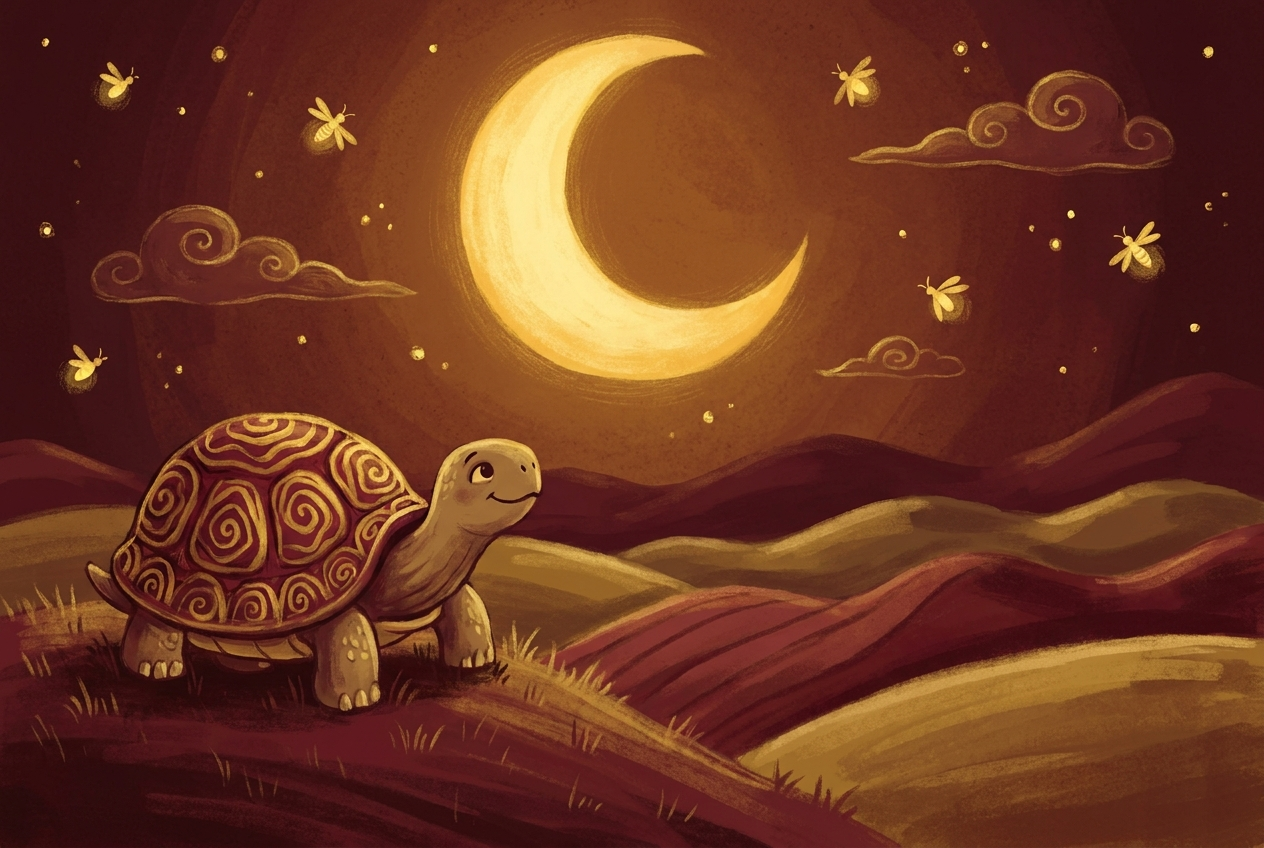
Folktales carry something a textbook cannot reach, too. They hold the humor, the values, and the imagination of the people who first told them. When you share a story in your heritage language, you pass on far more than vocabulary. You pass on a way of seeing the world.
Make it a family ritual
You do not need to be fluent, and you do not need a flawless accent. You need a few quiet minutes and a little curiosity.
- Start small. Choose one short folktale your family already loves and tell it slowly in the language you are learning.
- Repeat the good lines. Most tales have a phrase that returns, like "and then" or "little one." Say it together every time it appears.
- Act it out. Use funny voices, hands, and faces so young listeners follow the meaning without needing a translation.
- Catch one new word. After the story, pick a single word to explore together in the Dictionary.
- Let children retell it. Even a wobbly retelling is real practice, and it quietly builds confidence.
Every family has a storyteller
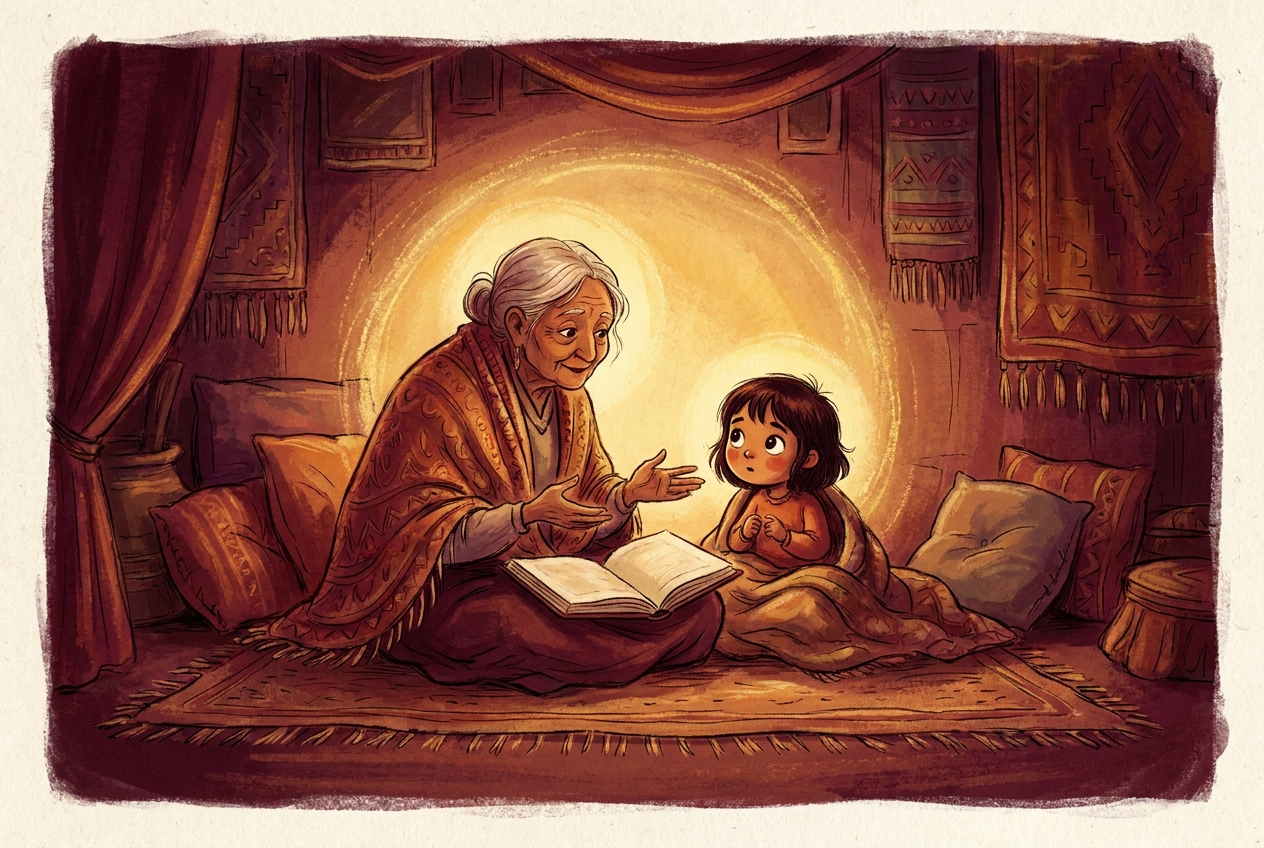
Perhaps it is a grandparent, an aunt, or you. Ask an older relative for a tale they grew up with, and if you can, record it and keep it. Stories are one of the oldest ways people have kept their languages alive, and your family can be part of that.
Ready to find your next bedtime tale? Browse Languages to choose the one closest to your heart, head to Learn for simple lessons, and keep the Dictionary open for new words. If a story of yours could help another family, you can share it on Teach.
Tags: storytelling, folktales, heritage language, bilingual children