
Read this article on LanguageKnow
Why Preserving Endangered Languages Matters
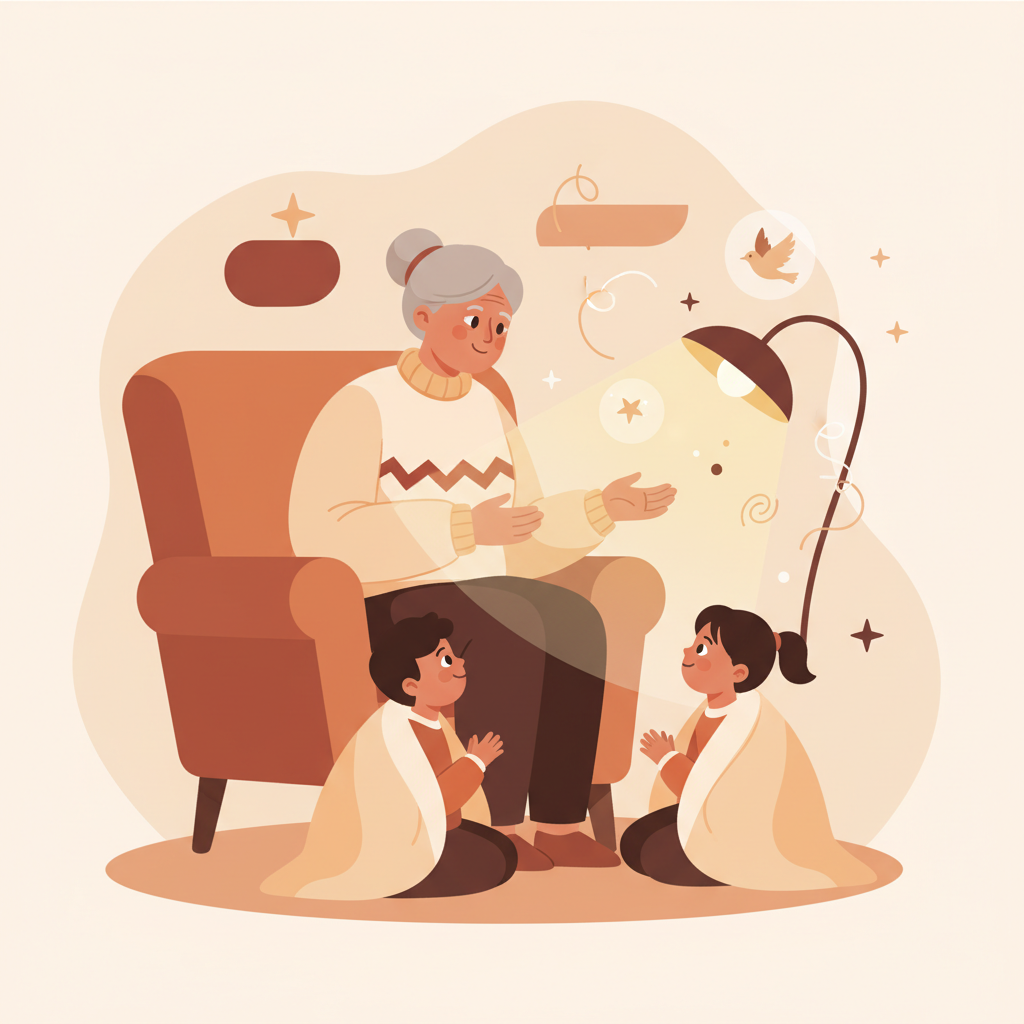
Imagine a grandparent who knows a special word, a word that means more than "rain." It means the particular kind of soft rain that falls in their valley in spring, the kind that tells everyone it is time to plant. There may be no single word for it in any other language. When that word is spoken and taught, it lives. When it is not, it can quietly slip away.
This is what is at stake when a language begins to fade. And it is also why preserving languages is something all of us can care about, not just experts.
Every Language Is a Living Library
Every language holds generations of knowledge inside it: how to care for the land, how to prepare a meal, how to tell a story, how to mark the big moments of a life. Some of that wisdom lives nowhere else.
When a language disappears, that knowledge becomes much harder to find again. Keeping the language alive keeps the library open.
Language Holds Who We Are
For many people, their language is woven right into their sense of self. It shapes how they express love, humor, comfort, and belonging. It links them to their ancestors and their community.
Keeping a language alive helps people hold on to that identity and hand it forward with pride.
Different Words, Different Ways of Seeing
Languages are not just different labels for the same things. They often slice up and describe the world in their own unique ways, with expressions another language might not have at all.
That variety makes the whole human family richer. Protecting languages protects this beautiful diversity of thought.
Why Languages Begin to Fade
Languages usually do not vanish overnight. More often it happens gently, one generation at a time. Children grow up using a more dominant language at school or work, and slowly the home language is spoken a little less. Families move, and daily chances to use the language shrink.
The hopeful part? Because the shift is gradual, it can be slowed, and even turned around, when communities decide to act.
Good News: Revival Is Real
Languages have been strengthened and brought back to life when people commit to using and teaching them. The recipe is usually the same warm trio:
- Passionate speakers who love the language.
- Accessible resources so learning is possible.
- Younger learners eager to carry it forward.
And today, technology makes recording, sharing, and teaching a language easier than it has ever been.
How Everyday People Can Help
You truly do not need to be a linguist. Here are simple, meaningful ways anyone can pitch in:
- Speak it at home. If you know a heritage language, use it with your family. Daily use is preservation in action.
- Teach what you know. Even a handful of words shared with someone new extends the language's life.
- Write it down. Capturing words, sayings, and stories keeps them available for future learners.
- Reclaim your roots. If your family once spoke a language you never fully learned, picking it up honors them and keeps it alive.
- Cheer others on. Encourage the people around you who are keeping their language present.
Quick tip: Start a small family "word jar." Each week, add one heritage word everyone learns and uses. Tiny habits keep a language breathing.
The Power of Going Online
Here is something genuinely exciting: the internet has changed what is possible. A grandparent's knowledge can now reach a young learner on the other side of the world. Native speakers and teachers can share dictionaries, lessons, and learning paths that anyone can open.

If you speak a language and want to help keep it thriving, you can share your knowledge as a teacher through the teach signup page. And if you are a learner, you can explore the languages waiting for you on the Browse Languages page and begin today.
A Gift We Pass Forward
Preserving a language is a shared, hopeful, human effort. Every word spoken, taught, and learned helps keep it alive. When we treasure the world's many languages, we protect not only words, but the wisdom, identity, and creativity wrapped inside them.
The languages we keep alive today are the inheritance we hand to tomorrow. What a wonderful thing to be part of.
Tags: preservation, endangered languages, culture, heritage