

How to Teach Your Child a Heritage Language Online
When a family moves away from where its language is spoken every day, the mother tongue is usually the first thing to fade. Children grow up hearing the language at home but answering in English. Within a single generation, greetings, songs, prayers, and family stories can slip out of reach. Parents often want to pass the language on but do not know where to start, especially when they are not trained teachers and cannot find a class in the specific language or dialect their family speaks.
The good news is that you do not need a teaching degree or a formal classroom to keep a heritage language alive at home. You need consistency, a few good tools, and, ideally, a connection to other people who speak it.
Start with the language you already carry
The most valuable resource in heritage-language transmission is a fluent speaker who loves the child, and in most diaspora families, that is a parent or grandparent. You already have the accent, the everyday vocabulary, and the cultural context that no app can fully reproduce. The goal is to turn that everyday knowledge into small, repeatable moments of learning.
On LanguageKnow, a free platform built to help preserve the world's languages, parents can take two complementary paths:
- Learn or refresh the language together. If your own command of the language has faded, you can learn a heritage or endangered language directly from native speakers, then practice alongside your child.
- Teach the language you grew up speaking. You can volunteer to teach your mother tongue to learners, including your own family and others in the diaspora, with no teaching certificate required.

Practical steps for parents
1. Make the language part of daily routines. Pick a handful of everyday moments, mealtimes, bedtime, the drive to school, and use the heritage language there consistently. Small and daily beats long and occasional.
2. Learn from native speakers, not just from an app. Apps are useful for vocabulary, but children absorb tone, rhythm, and cultural meaning from real speakers. On LanguageKnow you can connect with native speakers of heritage and endangered languages rather than relying on a fixed, pre-recorded course alone.
3. Practice in short, playful sessions. Tools like flashcards and guided conversation practice help children build vocabulary without feeling like schoolwork. LanguageKnow includes flashcards and an AI Conversation practice mode so learners can rehearse between live sessions.
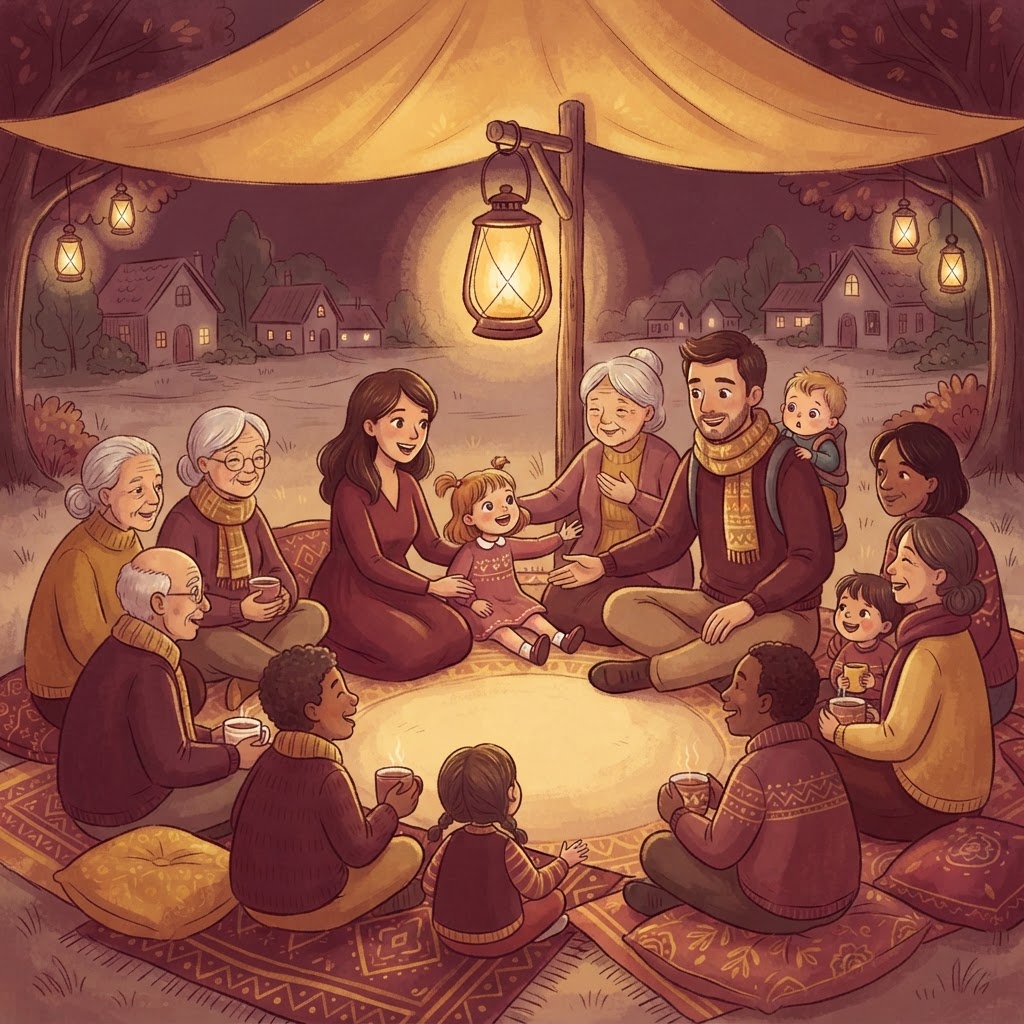
4. Learn alongside a community. Isolation is the enemy of a heritage language. Joining or creating a language group connects your family with other speakers and learners of the same language, so your child hears the language used by more than one person. LanguageKnow lets you join or create a language group for the language you are preserving.
5. Mark progress and celebrate it. Children stay motivated when effort is visible. Tracking progress, and earning a certificate for a completed course, turns an abstract goal into something a child can see and be proud of.
6. Contribute to keeping the language documented. Every word a family uses is part of a living record. On LanguageKnow, learners and speakers can engage with a community Dictionary, which helps document heritage and endangered languages for the next family that comes looking.
It is never too early, or too late
Whether your child is a toddler or a teenager, and whether your own fluency is strong or rusty, a heritage language can be revived one conversation at a time. The most important step is simply to begin, and to keep the language present in your home and community.
You can start free at languageknow.com: learn a heritage or endangered language directly from native speakers, or volunteer to teach the one you grew up speaking.
Frequently asked questions
I am not a trained teacher. Can I still teach my child my heritage language?
Yes. Fluency and consistency matter more than formal training. LanguageKnow lets you volunteer to teach the mother tongue you grew up speaking, with no teaching certificate required, and gives you tools like flashcards and conversation practice to support the lessons.
My own heritage language has faded. What can I do?
You can learn or refresh the language first, directly from native speakers on LanguageKnow, and then practice alongside your child so you are learning together.
How do I keep my child motivated to learn a heritage language?
Keep sessions short, playful, and daily; practice with flashcards and guided conversation; join a language group so your child hears the language from more than one speaker; and celebrate milestones, including certificates for completed courses.
Is there a free way to learn or teach a heritage or endangered language online?
Yes. LanguageKnow is a free platform where you can learn a heritage or endangered language from native speakers or volunteer to teach your own mother tongue. You can start at languageknow.com.
Ready to start learning?
Explore languages, study words and phrases, and join LanguageKnow for free.