

Your Child Understands Everything, but Answers in English
You ask a question in your mother tongue. Your child answers, perfectly, in English.
Every word landed. Nothing came back.
This Is Normal, and It Has a Name
Language researchers call this receptive bilingualism. A child understands far more than they say out loud. Understanding always runs ahead of speaking, in every language, for every learner, at every age.
The words are not missing. They are simply resting somewhere your child has not needed to reach yet.

Why the Words Stay Inside
Speaking is harder work than listening. It asks a child to choose, arrange, and risk being wrong, all in the same second.
English is easier. It is the language of school, of friends, of the playground. When a child is tired or excited or in a hurry, the easiest language wins.
That is not rejection. It is arithmetic.
Small Ways to Open the Door
- Ask questions that cannot be answered with yes or no.
- Repeat their English answer back warmly in your language, then carry on. No correction needed.
- Give the language a job: reading the shopping list aloud, greeting a relative on a call, naming what goes into dinner.
- Let them hear you fumble a word and laugh about it. Children copy comfort, not perfection.
- Celebrate one word. One word is a door, not a test.
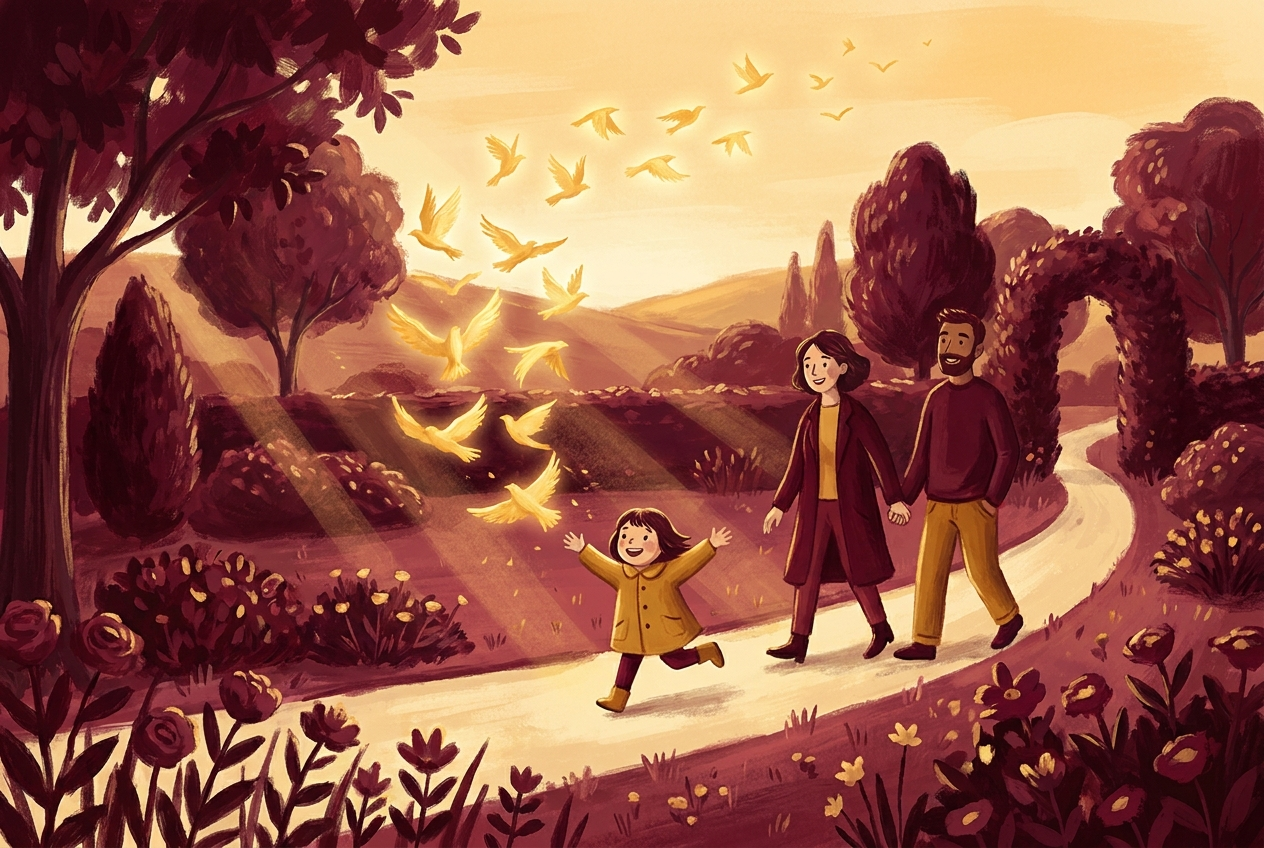
Keep the Door Open
Progress here is slow, and then it is sudden. It is common for people who answered in English as children to find those words within reach again years later, simply because somebody kept speaking to them.
So keep speaking. Keep the room warm. The words are already inside.
If you would like a little structure alongside your everyday conversation, you can browse languages or start learning together on LanguageKnow. And if the language you speak at home is one your children will not find in most apps, you can teach it yourself.
Ready to start learning?
Explore languages, study words and phrases, and join LanguageKnow for free.